Automotive
·
10 min read
Tyre season: a workshop capacity plan

The tyre season in a car workshop doesn't break because customers are missing. It breaks when the bookings in the calendar outgrow what two lifts and four hands finish in one day. This post gives a capacity calculation for tyre season, a week-by-week plan until 15 November and an example work order for a wheel swap, and at the end it shows how the same plan runs in Serwizz. It's written for service managers who want to see the queue coming before it turns into a queue in the car park.
Under Croatian rules, winter equipment is mandatory from 15 November to 15 April on road sections marked with a traffic sign, according to the Croatian Automobile Club. Tyre shop slots fill up before the deadline, and 15 November falls on a Sunday this year, so the real deadline for your workshop is Saturday 14 November.
Why capacity, not demand, breaks the tyre season
Demand in tyre season stays fixed, because drivers swap tyres when the deadline tells them to. What you do measure and plan is how many swaps your workshop finishes in a day, and most workshops don't know this number exactly. They estimate it from experience.
What happens when slots are booked without a calculation
The service manager figures the team will cope, because it coped last year. Slots get agreed by phone and by message, so reception promises one thing and the workshop knows another. The result is a chain reaction, not one late slot: a car waiting on the lift blocks the next one, customers wait in the workshop, and complications like a seized bolt or a damaged valve eat time nobody counted.
Anonymous findings from conversations with Serwizz customers repeat the same pattern: service companies working on paper, in messages and in Excel lose track of what is in progress and who owns it. In tyre season this turns into delays the customer sees right away.
Why workshop capacity is smaller than it looks
A lift works eight hours, but it doesn't spend eight hours on swaps. Part of the day goes to vehicle intake, talking to the customer, breaks, the occasional equipment fault and the handover at the end. When you count capacity by opening hours instead of usable minutes, every day starts with a debt, and the debt grows.
How to calculate workshop capacity for tyre season
The calculation has three inputs and one comparison: how many minutes per day are usable, how long one swap takes, how many work stations you have and how many slots are already taken. All numbers in the example below are illustrative, an example, not a measurement, so replace them with your own.
The formula
Swaps per work station per day = usable minutes per day divided by the duration of one swap, rounded down. Daily capacity = this figure times the number of work stations. Weekly capacity = daily capacity times the number of working days. Measure the swap duration from the moment the work order opens until it closes, not by feel: take ten real swaps and use their average.
Example for a workshop with two lifts
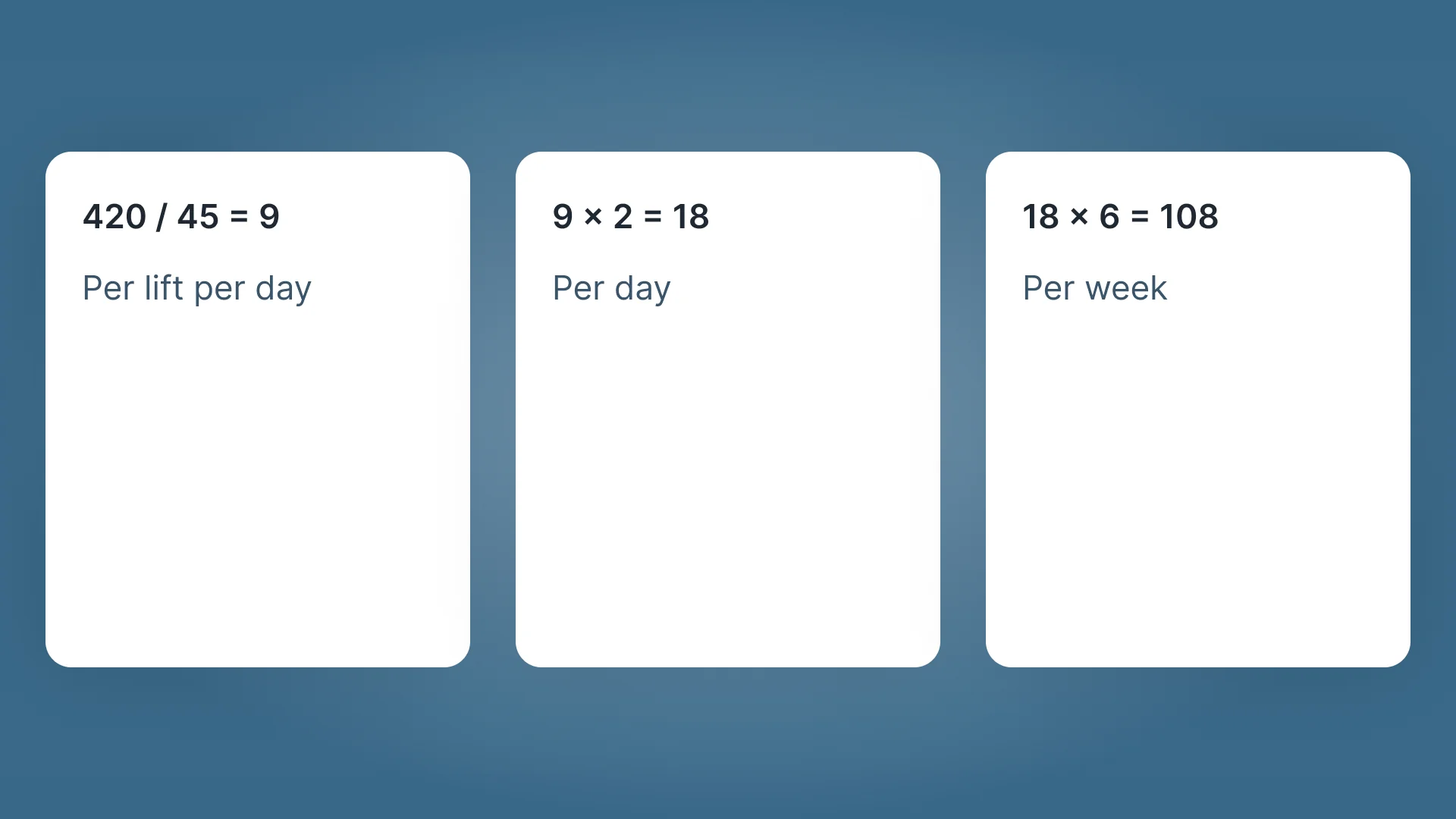
The workshop runs six days a week, with two work stations and eight hours a day. Sixty minutes a day go to intake, breaks and handover, so 420 minutes are usable. Swapping all four wheels with balancing takes 45 minutes.
| Step | Calculation | Result |
|---|---|---|
| Swaps per lift per day | 420 / 45 = 9.3, rounded down | 9 |
| Daily workshop capacity | 9 x 2 lifts | 18 |
| Weekly capacity | 18 x 6 days | 108 |
Suppose 150 swaps are promised for the last week before the deadline. The gap is 42 swaps, more than two full days of work for the whole workshop, and it shows up only when someone runs the calculation, not when the queue appears.
How to close the gap before it appears
The example has two levers, and neither needs a new work station. The first is cutting the swap from 45 to 40 minutes by preparing the wheels in advance, which gives 10 swaps per lift, or 20 a day. The second is two extra working hours on the same equipment, which adds three swaps per lift, or six a day. Together they give 26 swaps a day and 156 a week, which covers the 150 promised slots with a small reserve. If this still doesn't cover demand, an honest answer to the customer in October beats a promise in November you won't keep.
Week-by-week plan until 14 November
The plan has four weeks, from this week to the Saturday before the deadline:
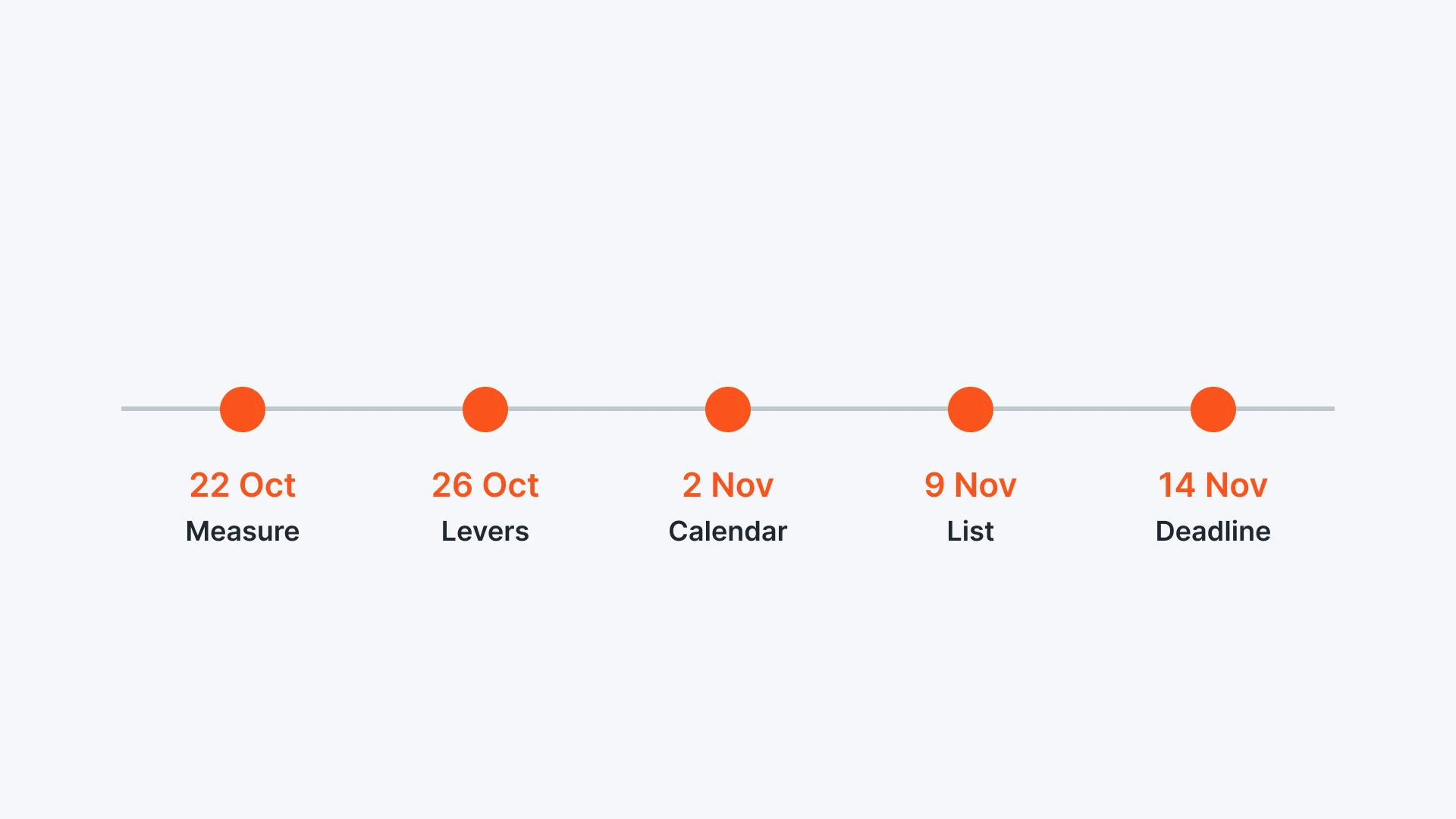
- Week of 22 October: measure the swap duration on real work orders, calculate capacity and compare it with the slots already agreed.
- Week of 26 October: decide on the levers (wheel preparation, longer hours, a Saturday shift) and tell customers on the edge their slot holds.
- Week of 2 November: lock the calendar for the final week, and offer the slots you cannot deliver earlier or with a reserved slot in April.
- Week of 9 November: every day starts with the list of orders from the day before, and leftovers move to the next morning ahead of new customers.
Example work order for a wheel swap
A work order for a seasonal swap has to be short, because a technician fills it in some twenty times a day. It's enough to record the vehicle, the customer, the slot, what was agreed and what was found.
| Field | Example entry |
|---|---|
| Title | Wheel swap, registration ZG 0000 XX |
| Slot | Friday 6 November, 9:00 |
| Scope | Remove summer wheels, fit winter wheels, balance, check pressure |
| Condition found | Photo of tyres and rims at intake |
| Note | Customer leaves summer tyres in storage |
| Assigned to | Technician on lift 1 |
| Status | Scheduled, in progress, done |
The photo at intake protects both the workshop and the customer: if a question about a damaged rim comes up later, the answer sits in the work order. Start the same form with the free work order template before moving to a digital system.
How the tyre season plan works in Serwizz
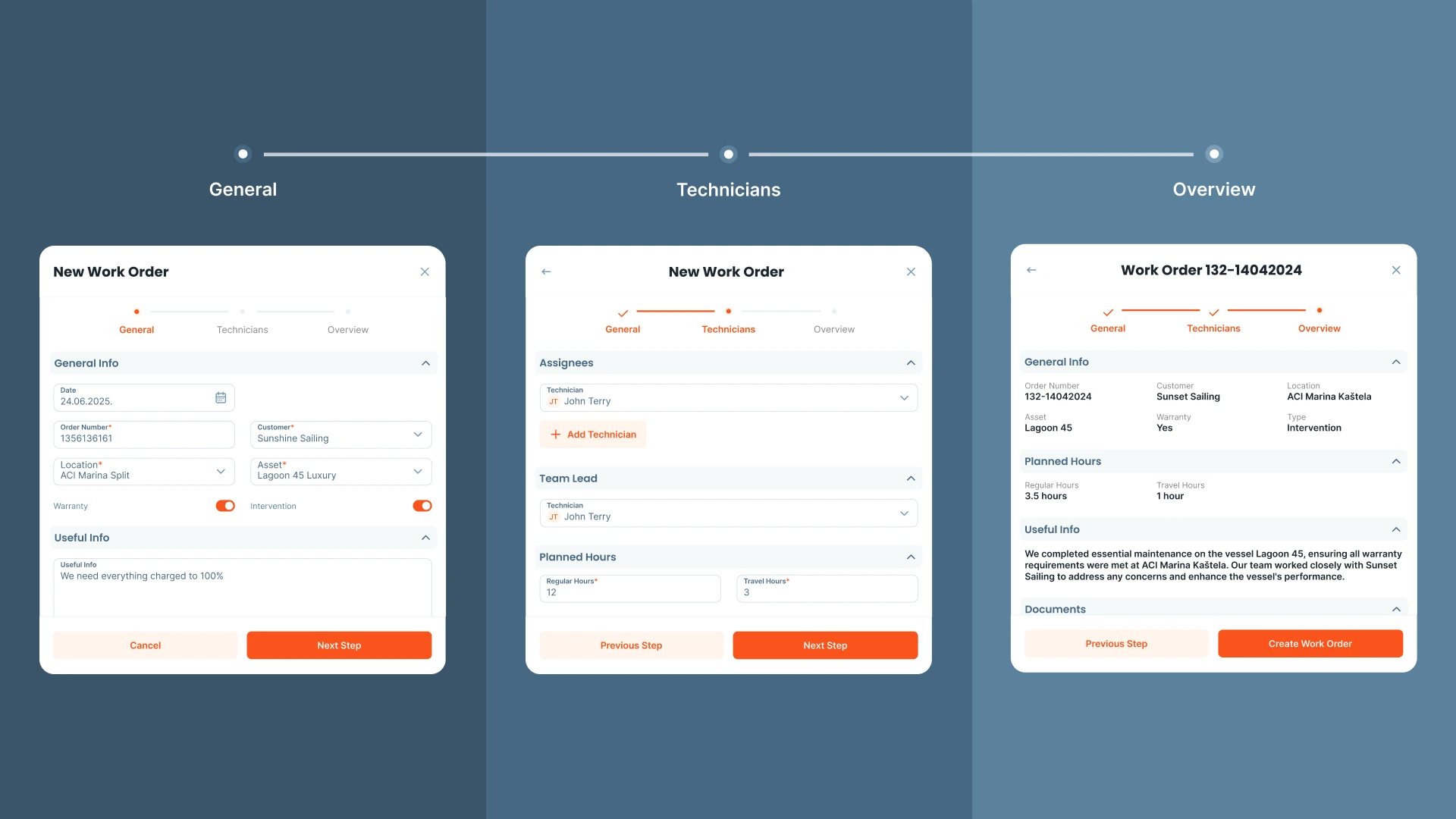
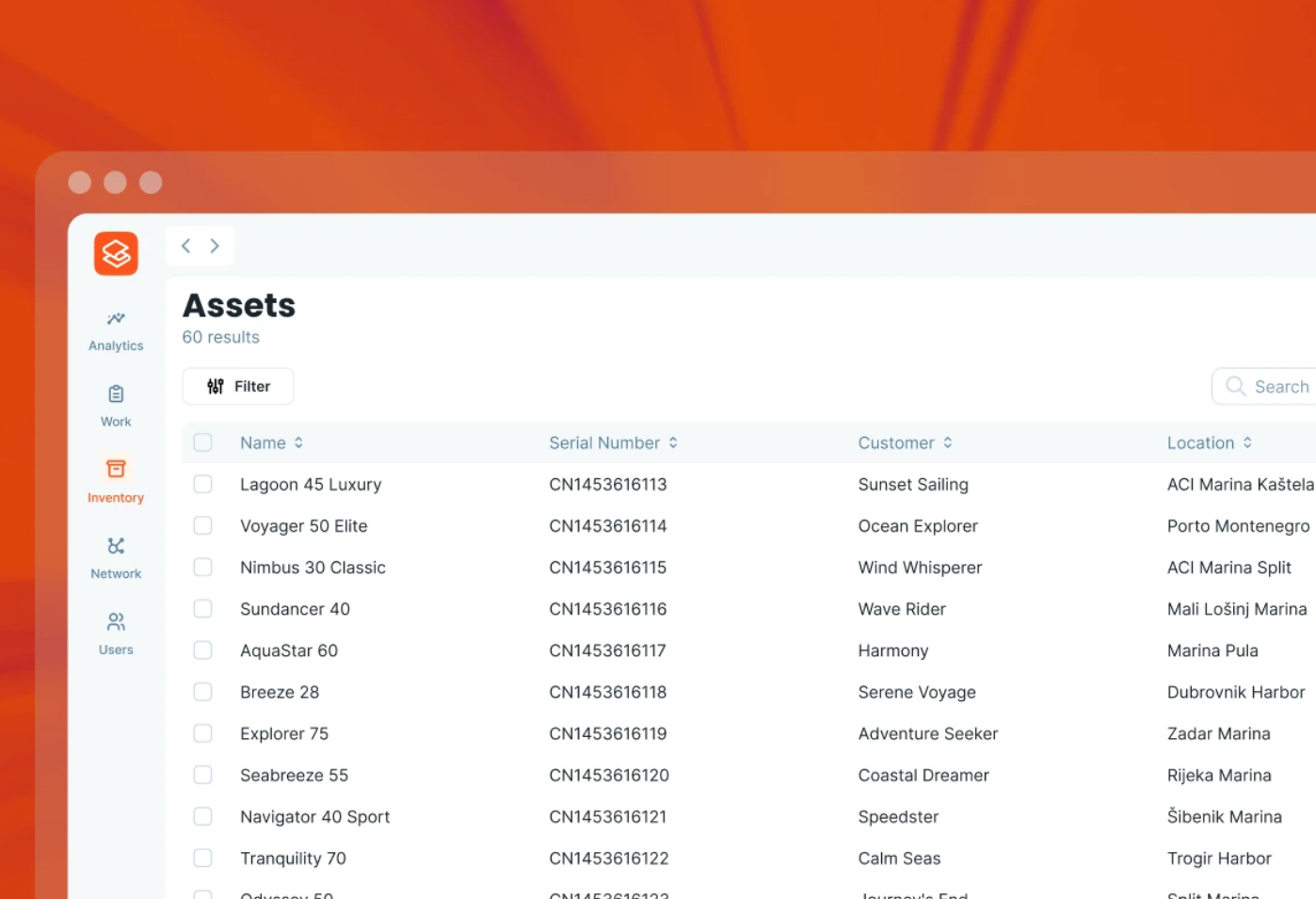
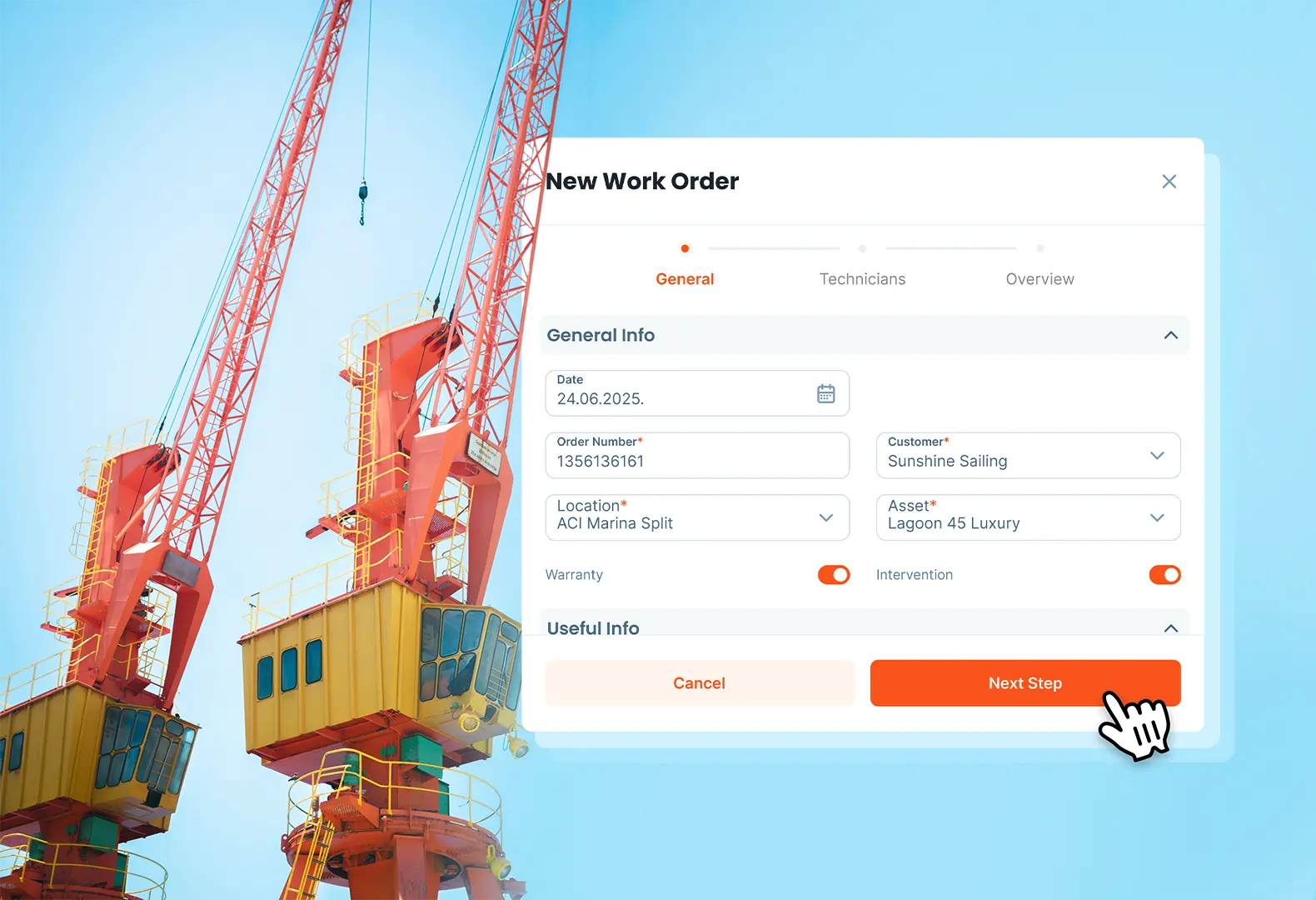
Serwizz is a CMMS, not an online booking system, so customers keep booking where they book today. The difference is in what happens next: every confirmed slot becomes a work order, and the plan runs from work orders instead of messages.
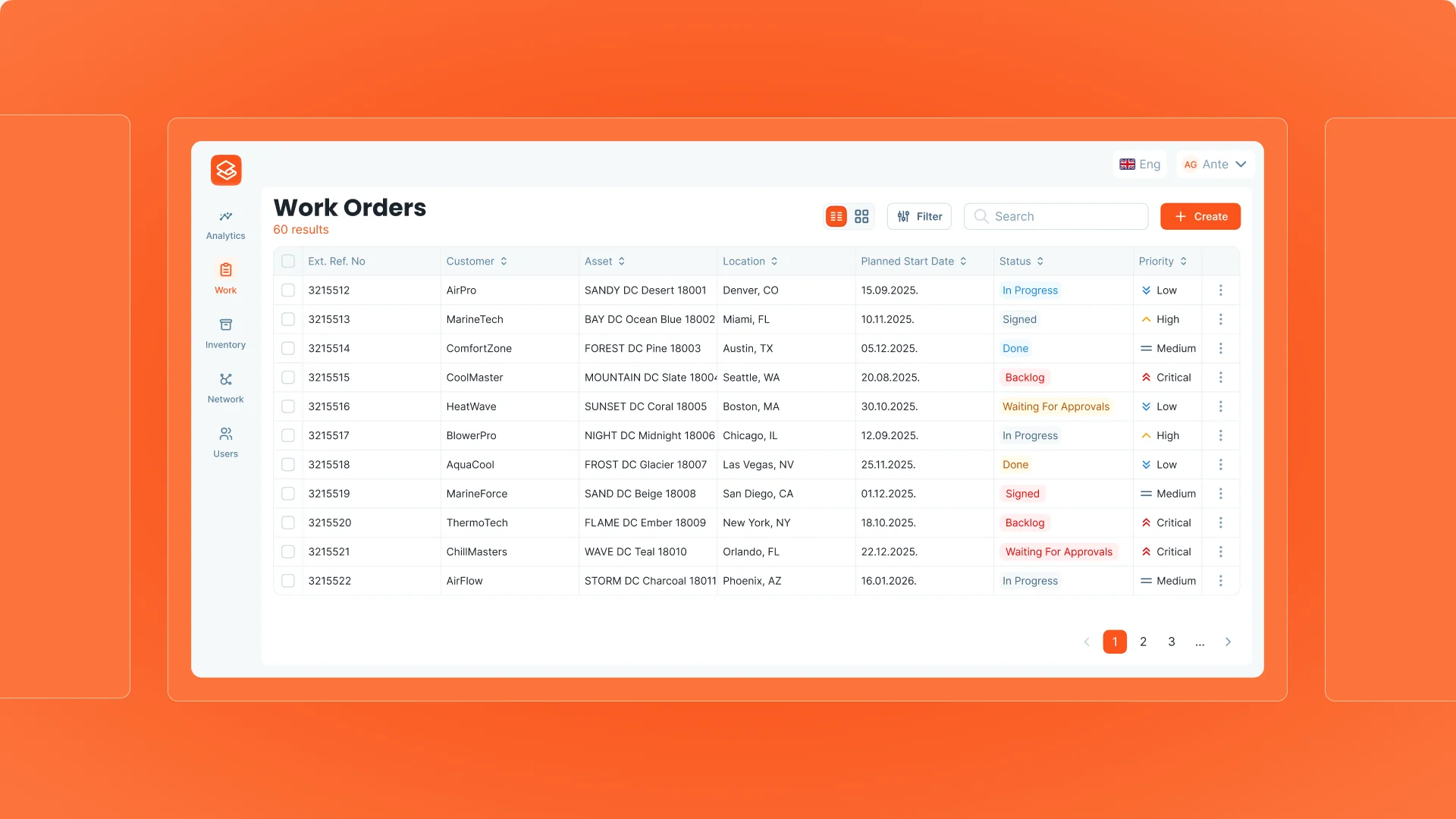
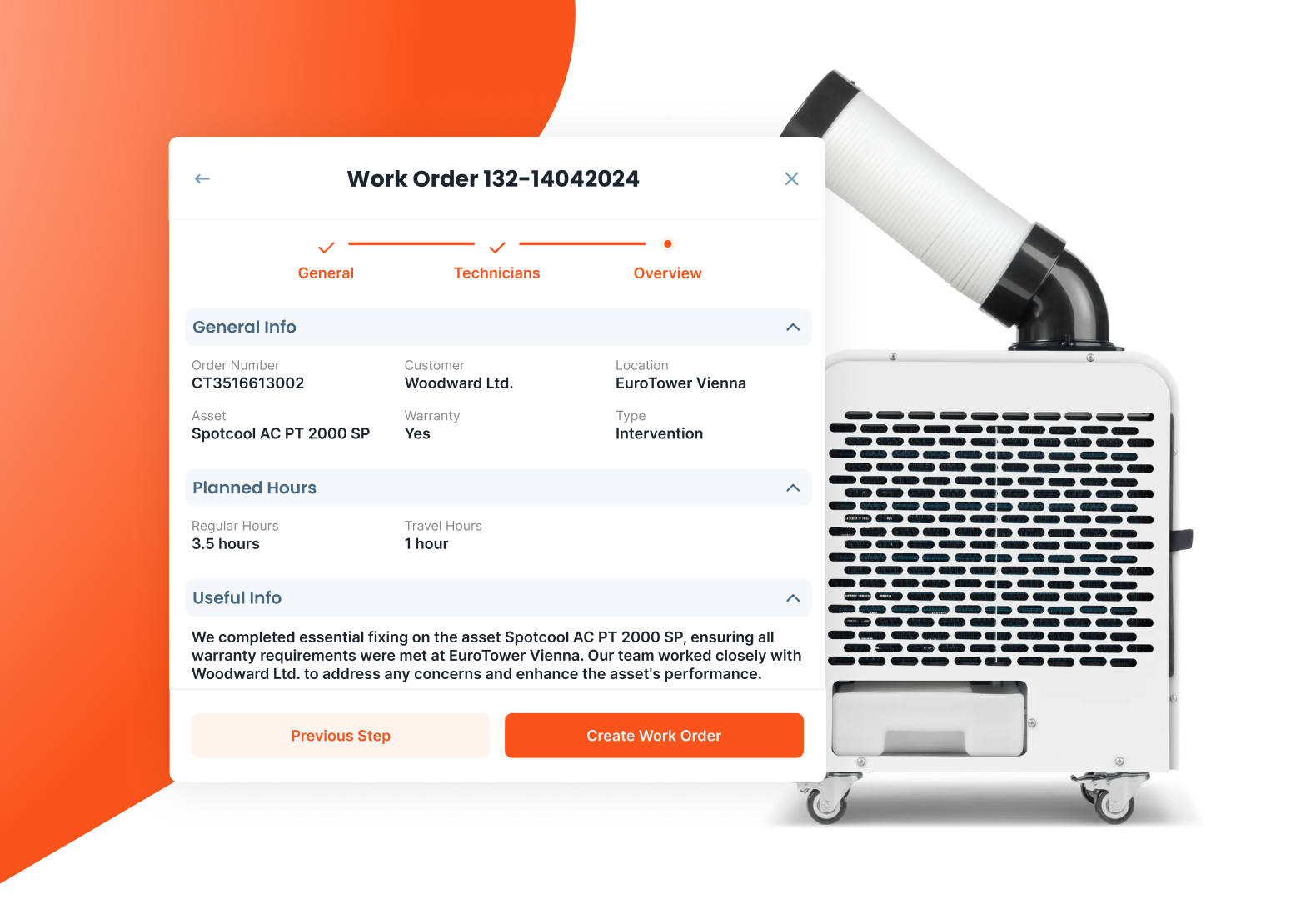
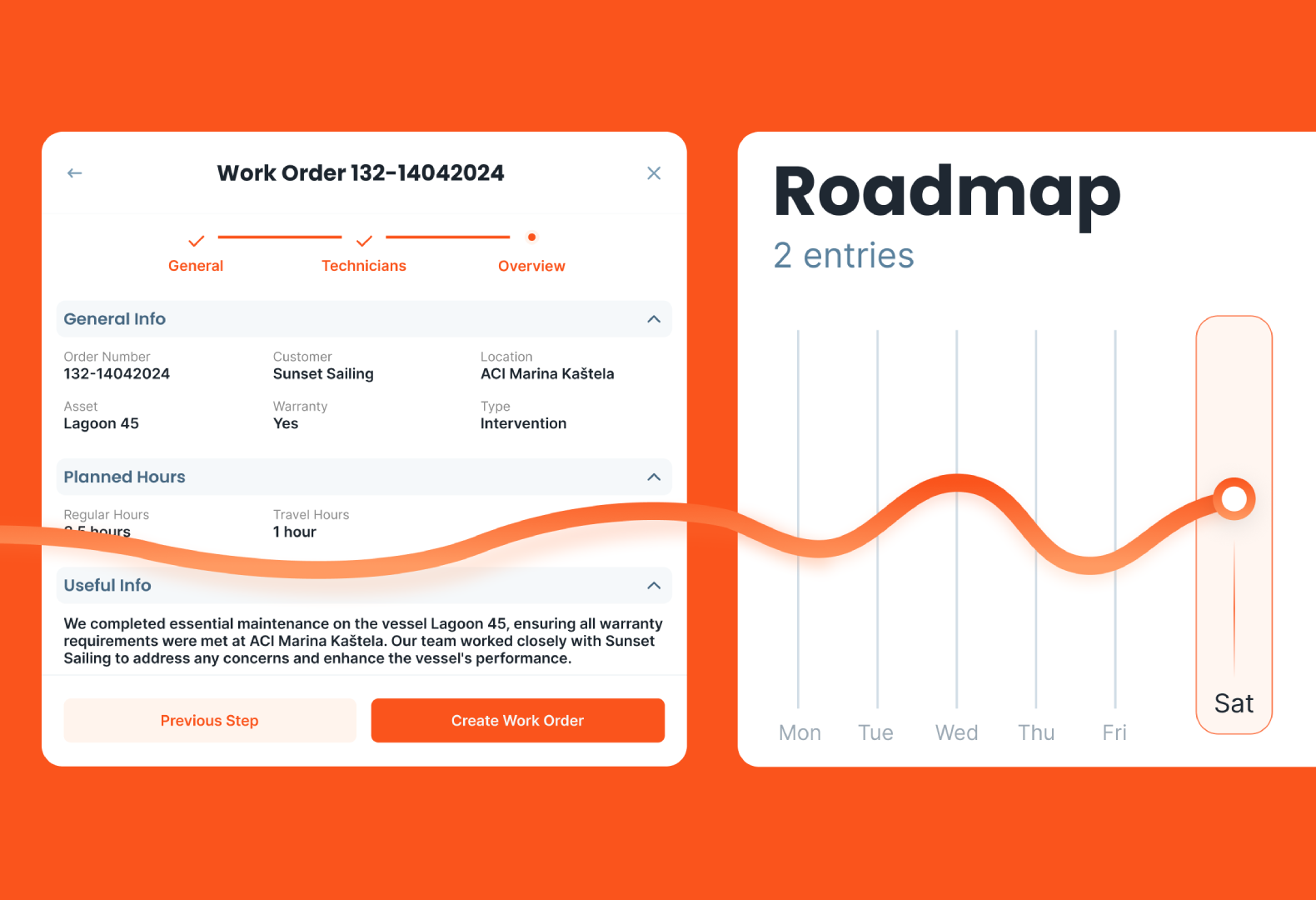
Work order management gives one order per vehicle with a description, a slot, an owner and a status, so the manager sees how many orders are scheduled, in progress and done. The swap duration from week one of the plan comes from the same orders, and work hours tracking shows how long the job took. Intake photos attach straight to the order from a phone, because Serwizz is a PWA and opens from the browser without an app store.
Jobs which don't belong to one vehicle, such as preparing wheels before the morning or the list of leftovers, run through task management. For companies with a vehicle fleet who swap tyres every season, preventive maintenance repeats the same job each spring and autumn, so the season doesn't depend on someone remembering to call. More on service work in the automotive sector is on the Serwizz for automotive page.
There is still time before 14 November for one honest calculation
Capacity isn't a secret of tyre season, but most workshops don't calculate it until it becomes a problem. Measure the swap duration this week and you have three weeks to close the gap, instead of finding it in the last week before the deadline.
Request your Serwizz CMMS demo and show us your season calendar, and we'll translate it into work orders. If you prefer to try it yourself, the free trial opens without an installation.