Hospitality
·
10 min read
Hotel winter maintenance plan and work order

A hotel winter overhaul mostly fails in the first two weeks after closing, when the maintenance lead spends the time clearing open orders from the season instead of starting new work, and the parts for the bigger jobs are not yet ordered. This post gives a hotel winter maintenance plan by zone, a fixed order of work and a sample work order for a hotel, campsite or apartment operator adapts to its own rooms and equipment. It ends with how the same plan runs in Serwizz, so every job has an owner, a deadline and a photo.
According to the Croatian National Tourist Board, September 2026 brought 3 percent more overnight stays than a year earlier, which means many properties ran until the last day with no room for postponed repairs. Once the doors close, everything put off since June lands on the desk at once.
Why a hotel winter overhaul fails on order, not on work
Hotel technicians know what needs fixing. The difficulty is the months without guests, which have to hold more work than the team finishes, and every job carries a condition: the room must be empty, the part must arrive, the contractor must be free.
What happens when the overhaul runs from memory and paper
During the season, repairs are logged as they come: a WhatsApp message, a note on paper, a spreadsheet last opened in July. After closing, all of it has to be collected, and it usually turns out one room has three versions of the same order while the kitchen dishwasher has none.
Anonymous findings from conversations with Serwizz users point to the same pattern. Service companies moving off paper, photos in messages and Excel value most the tasks and documentation in one place and the manager's view of what is in progress at any moment.
Why leftover season orders eat the start of the overhaul
The first weeks after closing go to orders left open during the season, because guests in the rooms blocked closing them. Each of them needs a look, a decision on whether it still matters, and an owner. If nobody does this before the real overhaul starts, the crew does not know in January what is left from what.
Parts arriving too late
Suppliers work slower outside the season, and equipment for larger jobs often has a delivery time. If the order for an air conditioning unit, a boiler or a kitchen appliance goes out only when closing begins, work stops until the part arrives, and the room stays blocked while nothing happens in it. The parts list therefore gets written before the last guest leaves, not after.
How to run a hotel winter overhaul step by step
The most practical setup is one parent work order for the whole overhaul and one work order per zone. The order of zones follows the condition each zone needs, not its importance.
Step 1: close the season orders before closing
In the last two weeks of the season, go through every open order. Whatever the team finishes with guests in the house, finish now. Whatever it cannot stays as an overhaul order with the room number and a description of the fault, so on the first day after closing nobody has to ask what the fault was.
Step 2: order parts while the season is still open
From the remaining orders, pull everything needing a part or an outside contractor and send the orders at once. Write the order it belongs to next to each part, so the team knows where it goes on arrival.
Step 3: work by zone in a fixed order
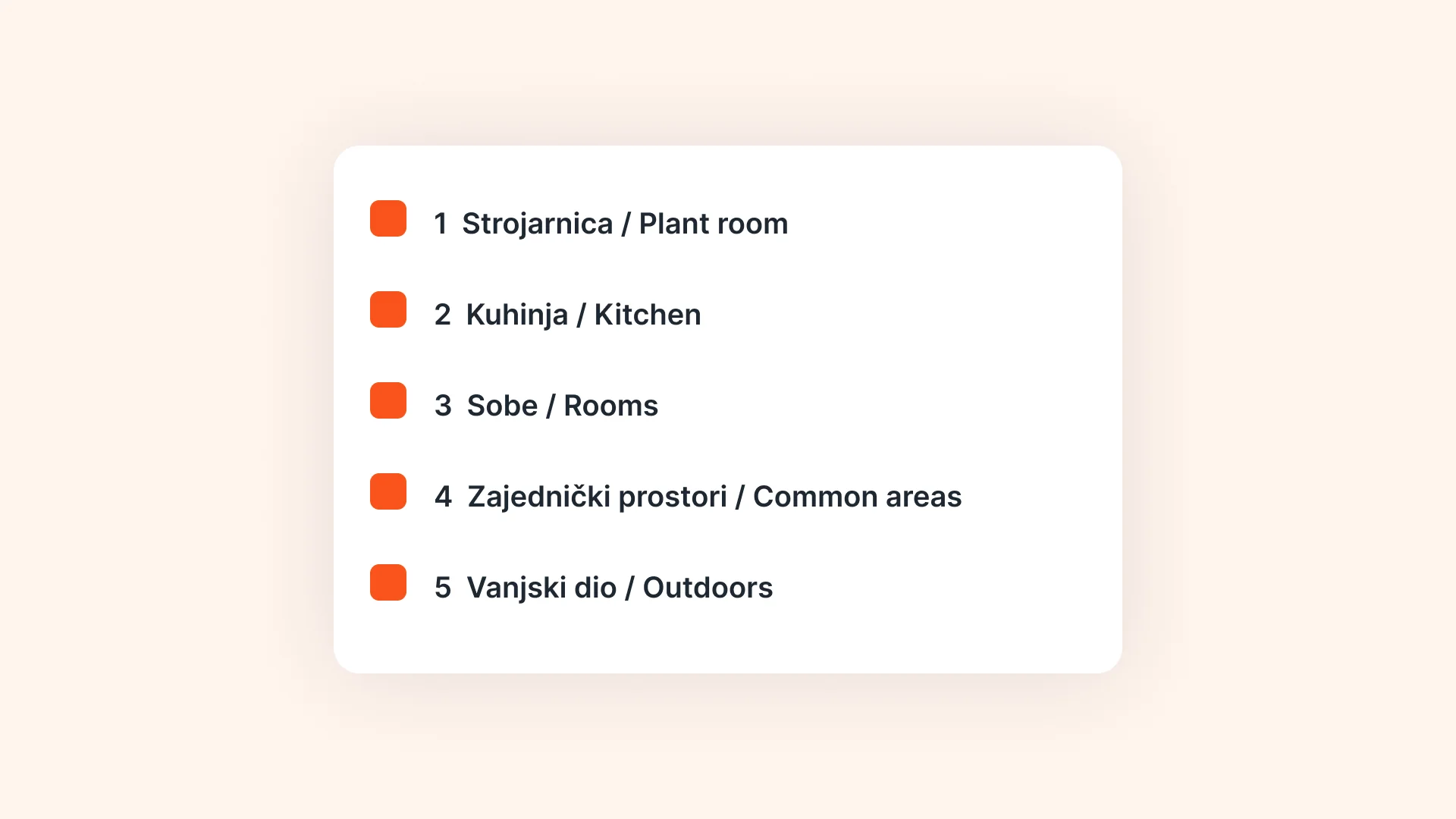
The order below starts with the zones holding technical equipment with longer delivery, moves through the rooms, and ends with the common areas and the outdoors, which depend least on suppliers. The table is a starting point, and each property adapts it to its size and equipment.
| Order | Zone | What is done | What to order before closing | What is recorded |
|---|---|---|---|---|
| 1 | Plant room and technical systems | service of air conditioning units and boiler, check of water heaters and pumps, check of the electrical distribution | spare parts, filters, service consumables | service date, contractor, equipment condition |
| 2 | Kitchen and laundry | service of kitchen appliances and refrigeration, check of washing machines, drains and ventilation | seals, heating elements, rarely stocked parts | appliance, finding, replaced parts |
| 3 | Rooms | check of locks, sanitary fittings, lighting and fans, resealing, painting, check of joinery | paint, sealant, handles, bulbs | room number, finding, photo before and after |
| 4 | Common areas | reception, corridors, stairs, lift, restaurant, restrooms | lighting, floor covering, consumables | area, finding, deadline |
| 5 | Outdoors and pool | facade, roof, terrace, outdoor lighting, pool equipment | protective paint, pool equipment parts | location, finding, photo |
Rooms are done in blocks by floor or wing, so the same contractor does not change location every hour. The technical zone goes first because its delivery takes longest to arrive, and any delay there slows everything after it.
Step 4: a sample work order for one zone
A work order for one zone looks like this:
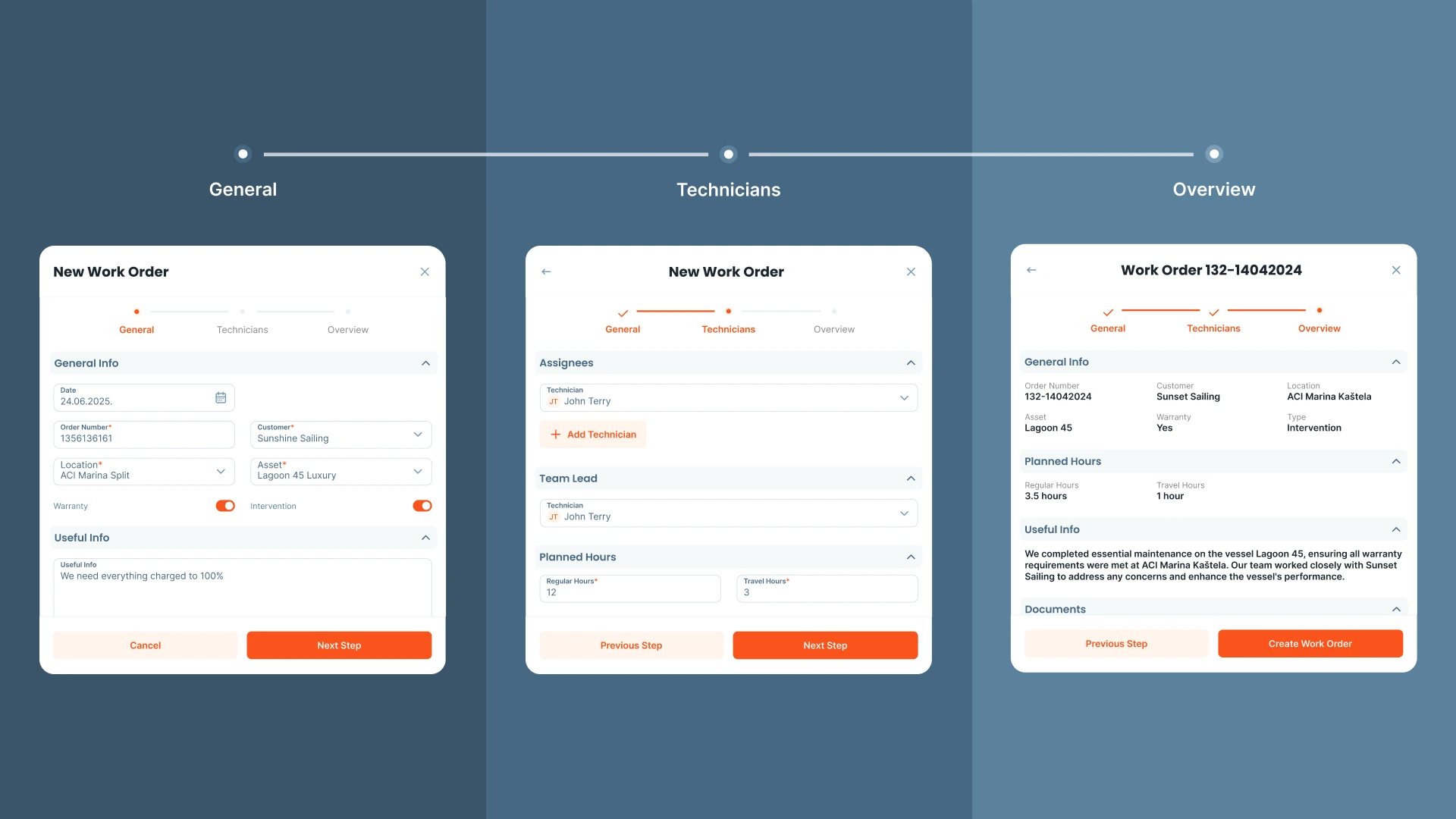
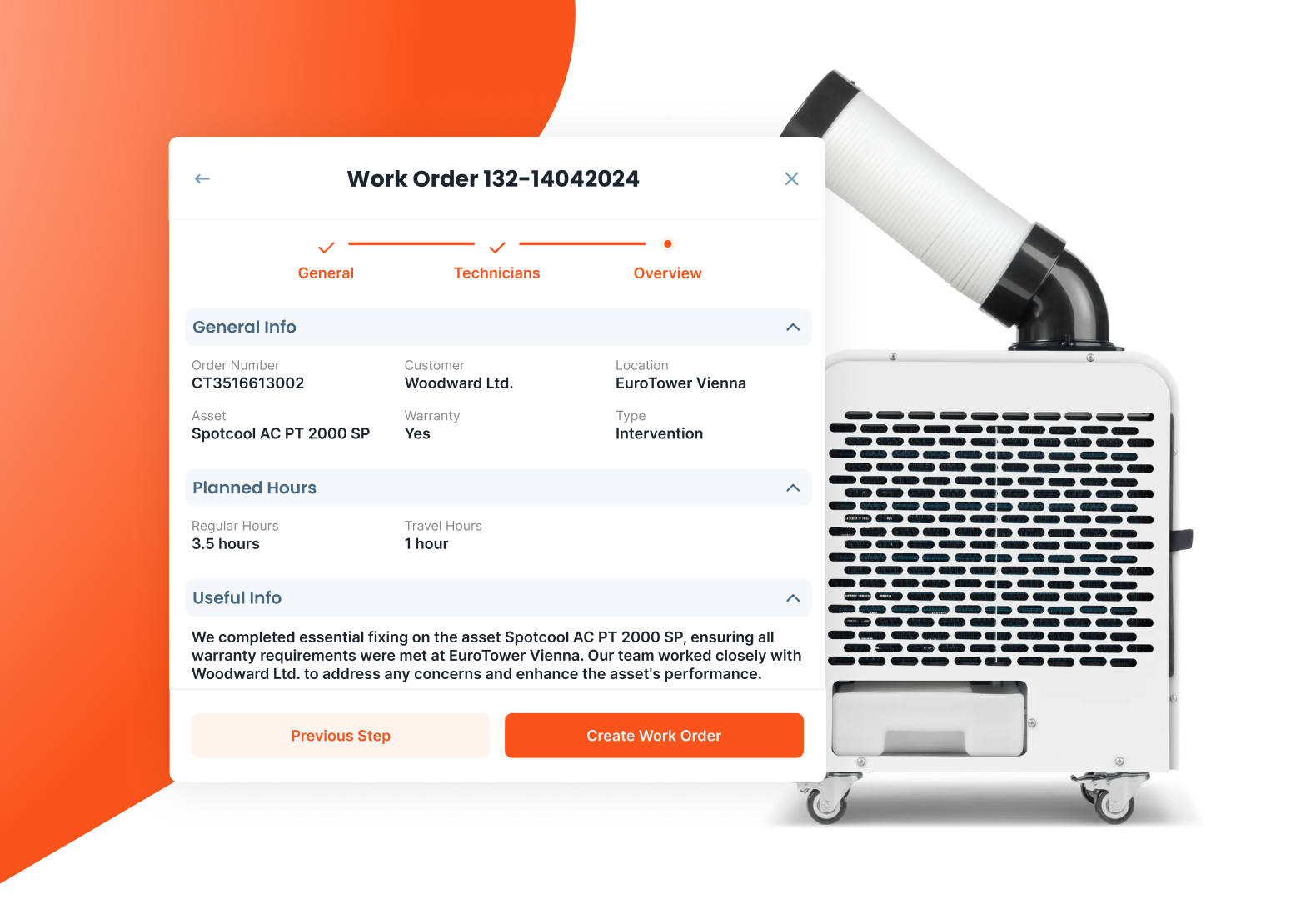
Work order: Winter overhaul, rooms, second floor Deadline: set start and end date Owner: maintenance lead, assignees by room Scope: check of locks and sanitary fittings, lighting, fans, resealing, painting Parts: list of ordered items with delivery date Closing: all rooms marked as done, photos attached, a finding entered for each room
The same template works for every zone, with a different scope. A blank form is in the free work order template, and a list of recurring checks is in the free preventive maintenance checklist.
Step 5: close the overhaul and set the plan for next year
The overhaul is done when every order is closed, not when the last contractor leaves. Review what broke most often and build the routine checks for next season from it, so the same fault does not return in June.
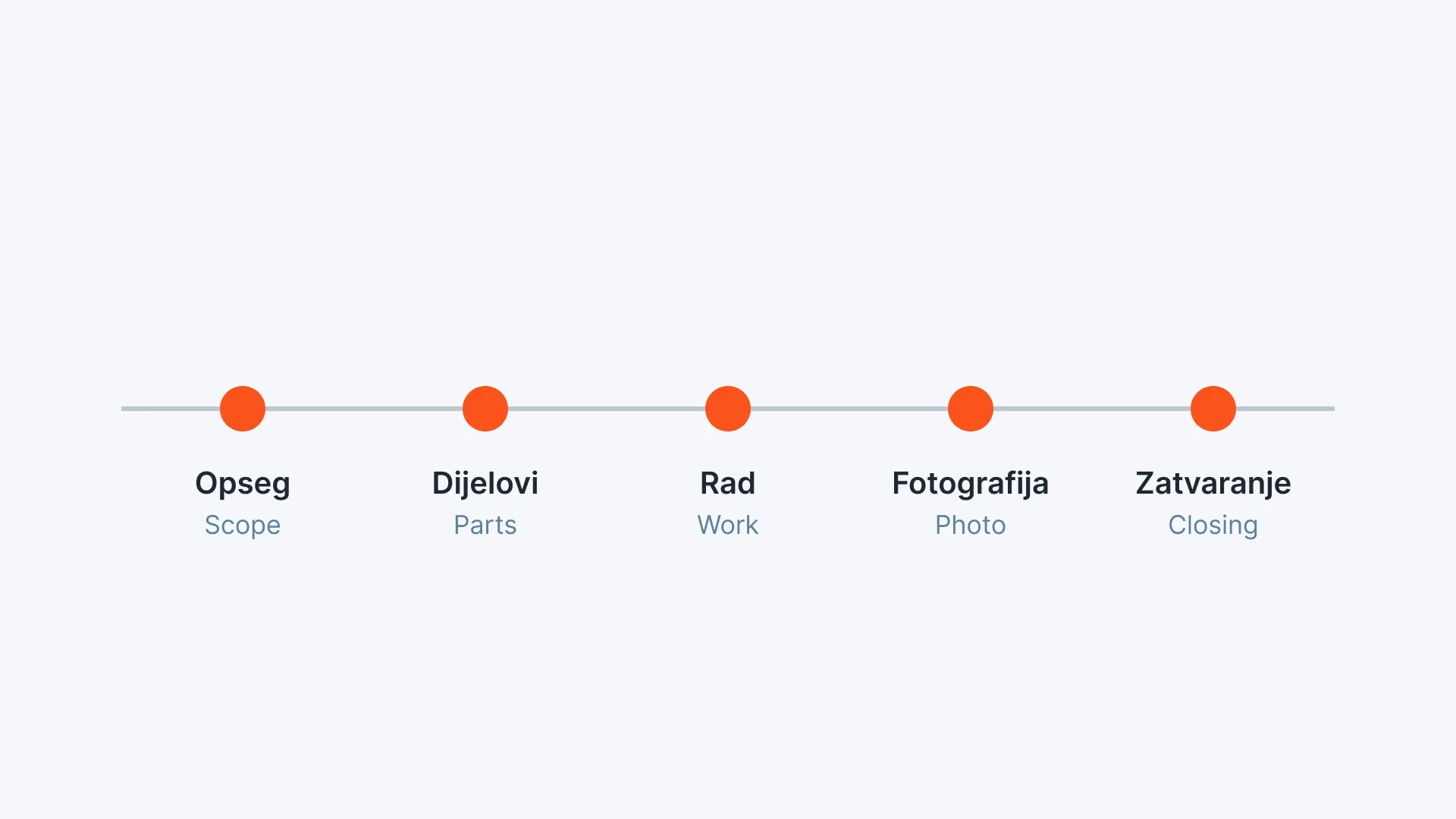
Campsites and apartments: the same plan with fewer zones
A campsite or a group of apartments has no plant room or restaurant, but it has the same ordering problem. The zones differ, for example restrooms, water and power on the pitches, accommodation units and grounds, yet the pattern stays: close the season orders, order the parts, work by zone and close each order with a photo.
How it works in Serwizz
Serwizz is a CMMS and opens in the browser as a PWA, with no app store download, so a technician in a room works with the same order as the manager in the office. Each step above has its place in the system, and the Serwizz for hospitality page covers the sector.
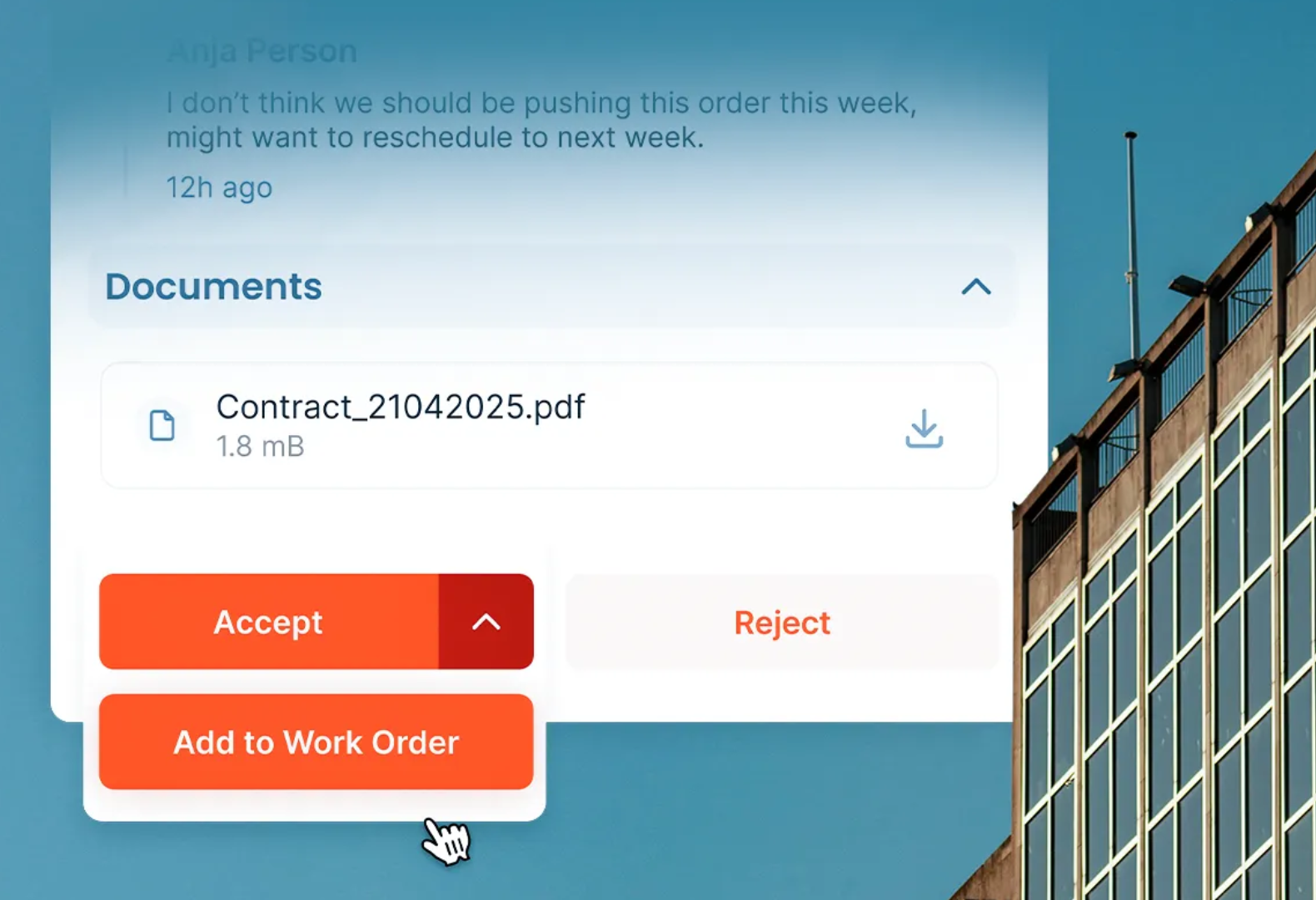
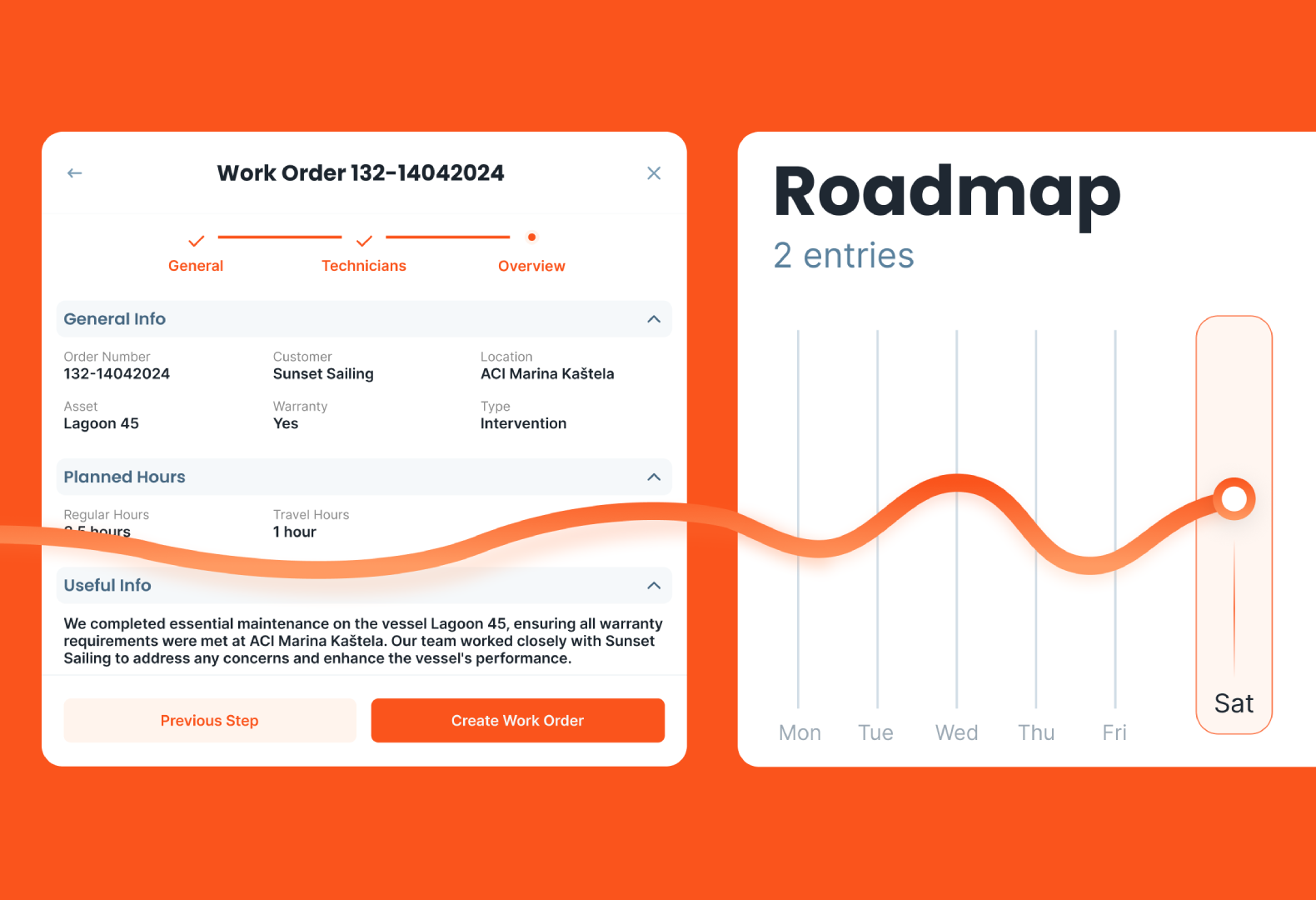
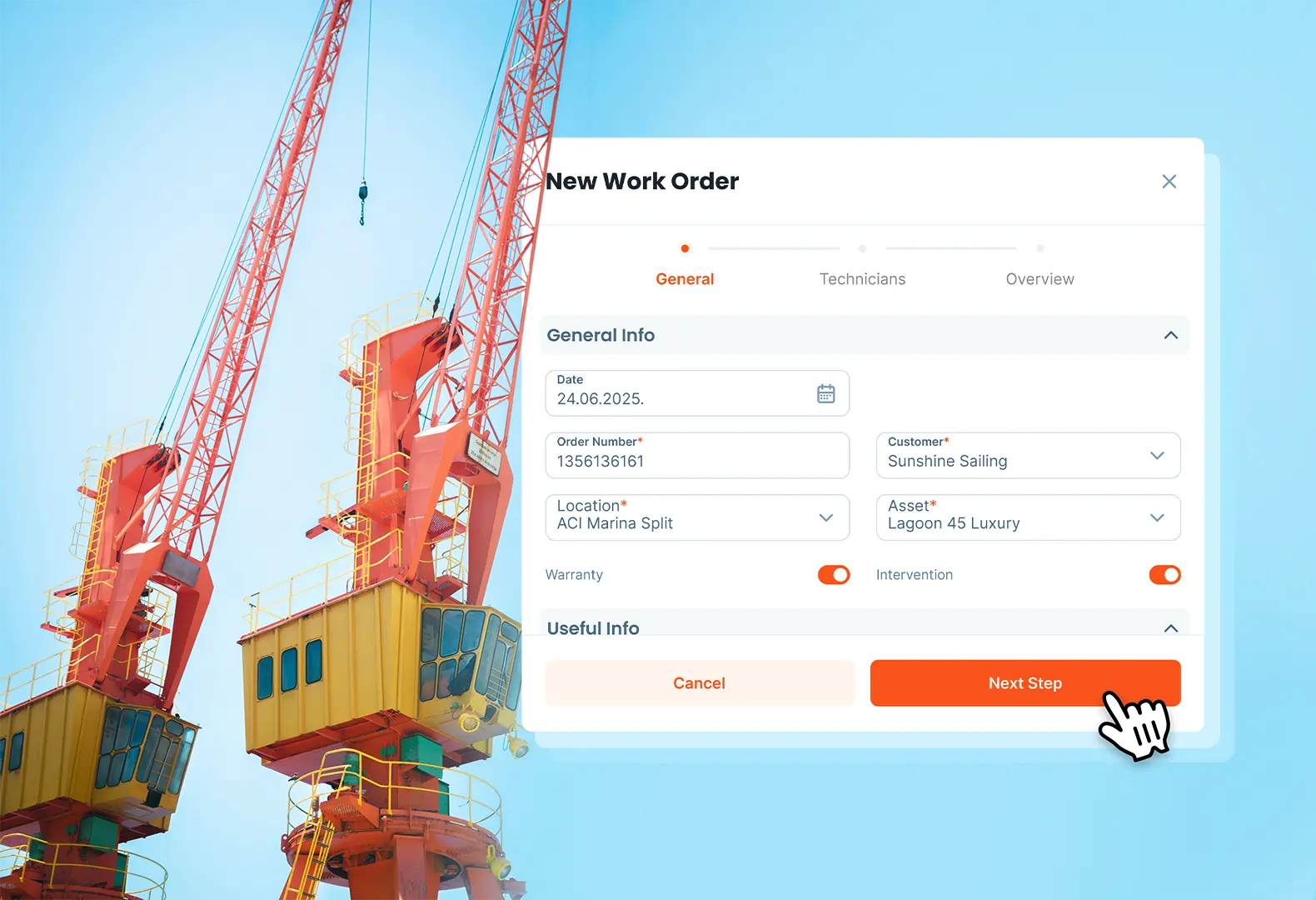
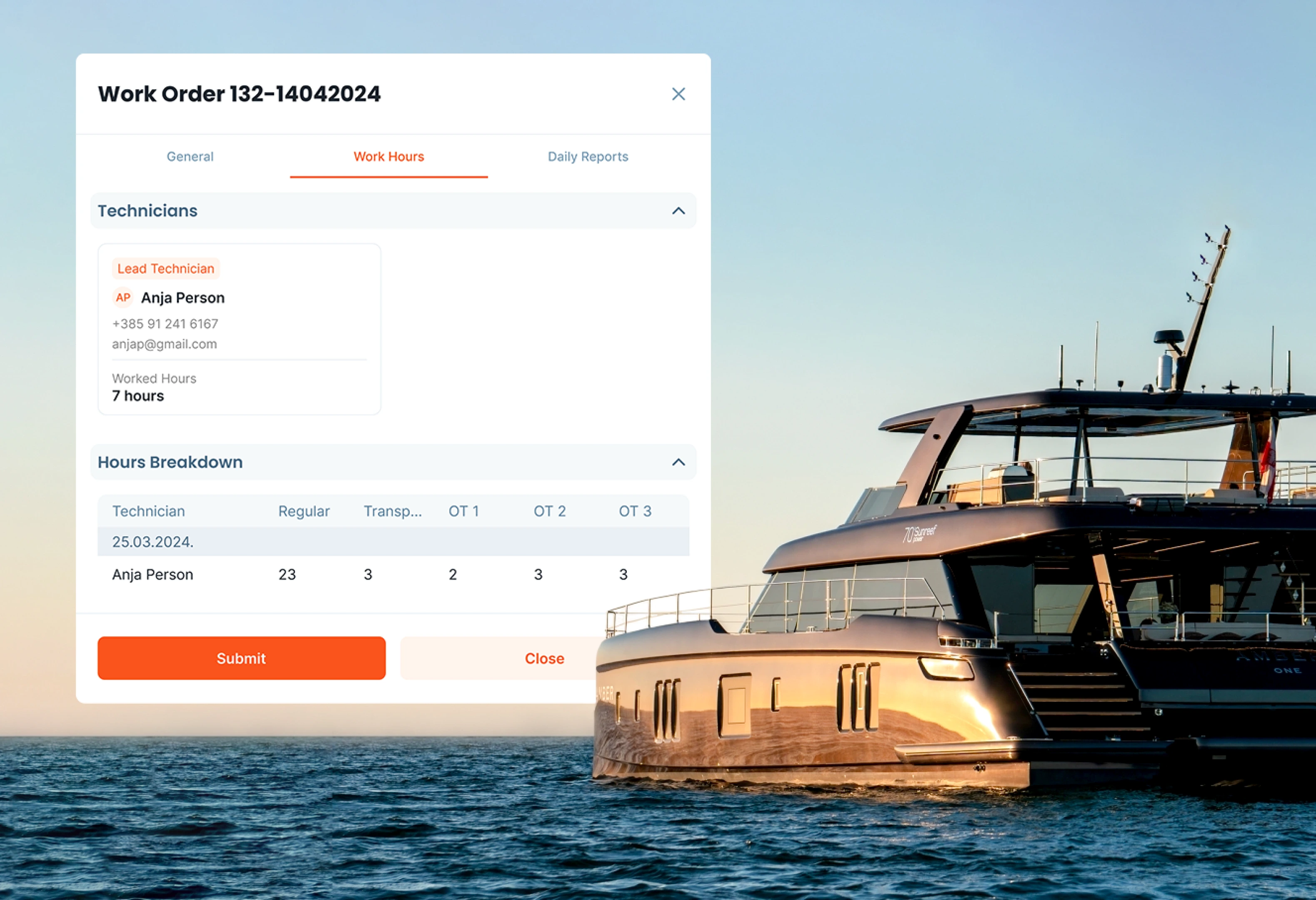
Work order management holds the parent order of the overhaul and one order per zone, with an owner, a deadline and the statuses an order moves through. Faults staff report during the season come in as work requests, so after closing there is one list instead of three.
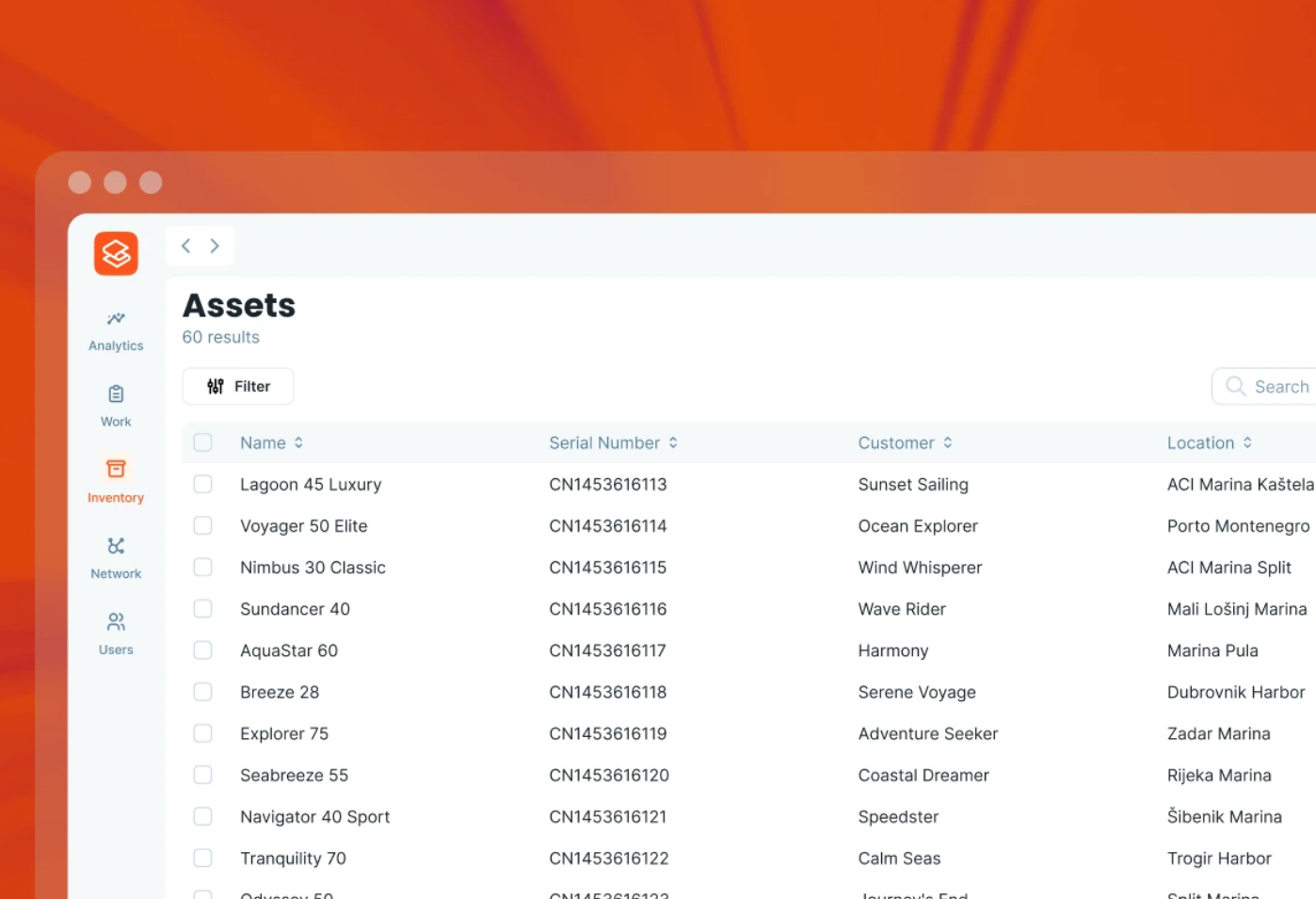
The manager assigns single jobs inside a zone, such as the check of one room, as tasks, and the technician closes them from a phone with a photo of the finding. Equipment is tracked as assets, so each air conditioning unit, boiler or kitchen appliance shows what was done on it and when.
Preventive maintenance schedules the routine checks you worked out this winter for next year. Serwizz does not replace the expertise of the contractor or the judgment on what to replace, its role is to keep the work recorded, assigned and proven.
For a similar approach in marine, see our post on boat winterization, and for digital maintenance in hospitality, the post Enhancing Guest Experience with Digital Maintenance.
The overhaul is done when every zone order is closed
Once the season orders are closed, the parts are ordered and the zones follow a fixed order, the overhaul stops depending on the memory of the maintenance lead. Take the table from this post, turn the first zone into a work order and see what is missing before the next closing.
Request your Serwizz CMMS demo and show us your list of works, or try it yourself with the free trial.