Facility
·
14 min read
Building maintenance programme: a template

In Croatia, the building manager has to send the proposed annual building maintenance programme to the co-owners' representative by 15 November, and in most management companies the proposal still comes from memory and last year's spreadsheet. This post gives a programme template filled from last year's work orders, work requests and inspection findings, a sample work order for one programme item, and an overview of the deadlines the law sets for building managers. It ends with how the same process runs in Serwizz, so the proposal for each building comes from data instead of from someone's head.
The deadline is not a formality. The Croatian Act on the Management and Maintenance of Buildings, in force since 1 January 2025, ties a consequence to it: if the co-owners do not adopt the annual or the multi-year programme, they pay the shared reserve fund at five times the last adopted amount. A good proposal is the simplest way to get the programme adopted on time.
The template works for residential, mixed-use and commercial buildings, and both a manager with a handful of buildings and a service company running technical maintenance for a manager are able to use it.
What the law asks of building managers before year end
The Act on the Management and Maintenance of Buildings sets several deadlines for the manager in the same stretch of the year. The end of one year and the start of the next are the busiest part of the job, because programmes are proposed, works are closed and the annual report is prepared at the same time.
Which deadlines apply to the annual and multi-year programme
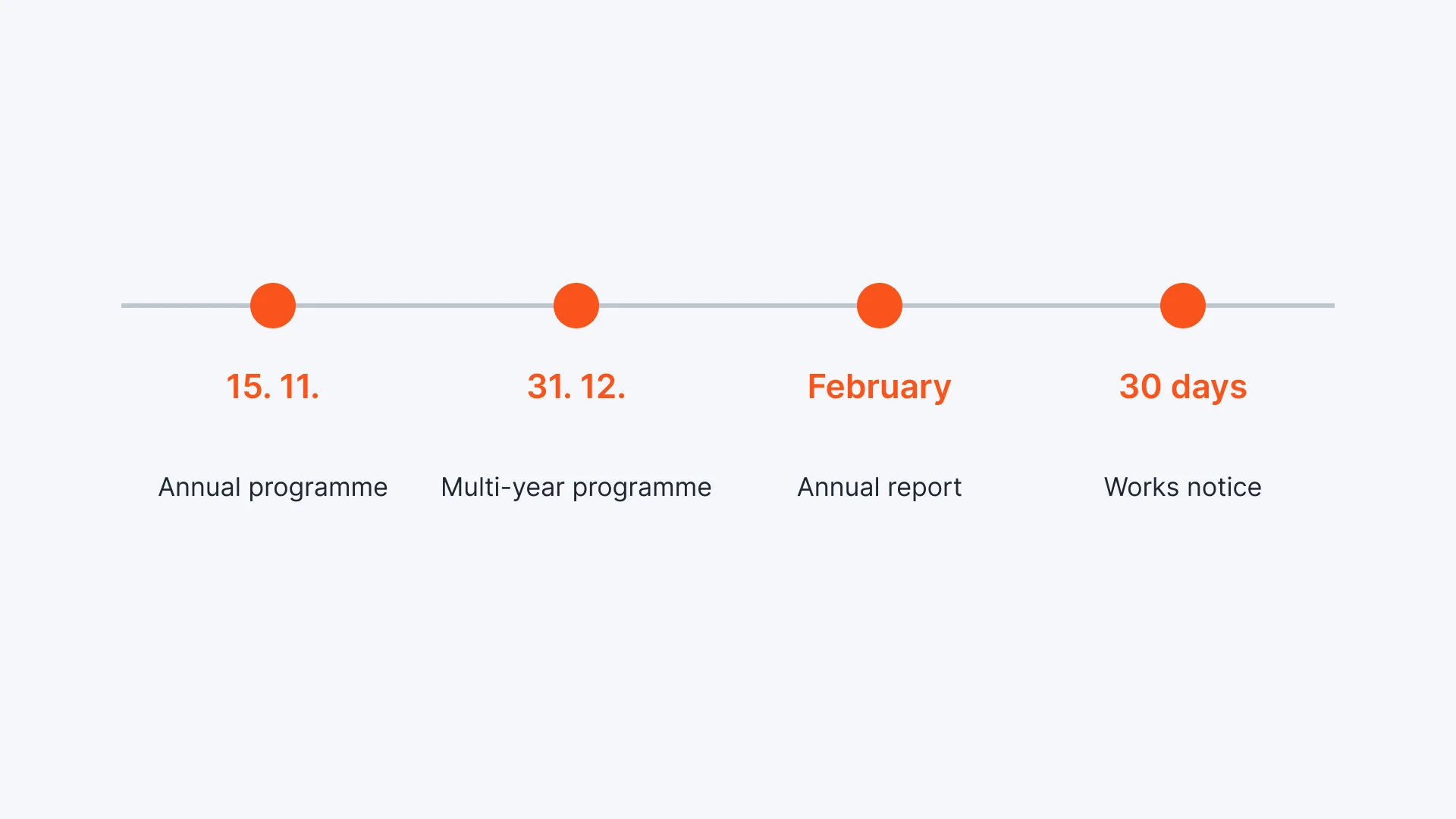
Under Article 52 of the act, the manager prepares the proposed annual programme for the maintenance of the building's common parts and delivers it to the co-owners' representative no later than 15 November of the current year. The annual programme has to follow the multi-year programme, and the manager delivers the proposed multi-year programme by 31 December. The same article requires the manager to inform the co-owners, through the representative, about completed works within 30 days of finishing them, and to deliver the annual report for the previous year by February, with an overview of reserve fund income and expenses.
| Deadline | Manager's obligation | What to have ready |
|---|---|---|
| 15 November | proposed annual maintenance programme to the co-owners' representative | list of works, priorities, cost estimates, deadlines |
| 31 December | proposed multi-year maintenance programme | larger works spread across years |
| by February | annual management report for the previous year | completed works, reserve fund income and expenses |
| 30 days after a job is done | notice to co-owners about completed works | closed work order with date and description |
| three hours after an urgent repair report | arrange the urgent repair, unless outside circumstances prevent it | on-call duty and a clear reporting channel |
Why the programme proposal is still written from memory
A manager or service company usually runs dozens of buildings, and faults arrive during the year by phone, email, a message from the representative or a word on the stairs. When November comes, someone has to gather everything from each building, what was repaired and what was only patched, and turn it into a proposal for next year.
Without one place for this data, the proposal gets written by copying last year's programme and adding whatever someone remembers. Anonymous findings from conversations with Serwizz customers show the same pattern: service companies moving to a CMMS most often replace paper work orders, photos in chat messages, Excel records and printed inspection reports, and they name tasks and documents in one place, plus easier report preparation, as the main benefit.
What happens when the programme is weak
A programme put together from memory misses the things which repeat. A gutter cleaned twice after heavy rain, a boiler room valve swapped for a temporary part and an entrance door adjusted three times never make it into the programme, so they come back next year as urgent or necessary repairs, paid for without a plan.
A weak proposal also has a harder time with the co-owners. If the representative is unable to explain why an item is in the programme and what it costs, the meeting gets postponed, and a programme left unadopted leads to the fivefold reserve fund. For the manager there is a third reason: under Article 14 of the act, the manager is not liable for damage after proving it proposed in writing the works needed to remove a danger and the co-owners rejected them. A programme proposal whose items point to specific work orders is exactly this kind of written record.
How to build the annual building maintenance programme from work orders
The most practical order starts from what happened in the building, not from a blank form. The five steps below apply to each building separately.
Step 1: gather the past year by building
For each building, pull every work order, every work request from co-owners, the findings of regular inspections and the service reports of outside contractors for the lift, the boiler room, fire safety equipment and other systems. Keep the work order or request number, the date and a short description with each record, because the proposal refers back to them.
Step 2: sort the records by type of maintenance
The act separates regular from extraordinary maintenance, and extraordinary maintenance covers urgent repairs, necessary repairs and capital maintenance. Put each record into one of these groups. Faults repeated two or more times are candidates for regular maintenance or for a permanent repair in the programme, not for one more emergency call-out.
Step 3: fill in the programme template
The template below has one row per programme item. The source column links each item to a work order or request from the past year, so the co-owners' representative and the co-owners see why the item is proposed.
| Item | Part of building | Source | Maintenance type | Priority | Cost estimate | Deadline |
|---|---|---|---|---|---|---|
| Annual service of burner and pumps | boiler room | service report, recurring | regular | high | per service contract | before the season |
| Replace a worn valve | boiler room | work order with a temporary part | necessary repair | high | per quote | March |
| Clean and repair gutters | roof | two work orders after rain | regular and repair | medium | per quote | October |
| Adjust and service the entrance door | entrance | three work requests from co-owners | regular | medium | per quote | April |
| Lift inspection and service | lift | contract with an authorised servicer | regular | high | per service contract | per contract |
| Repaint the stairwell | stairwell | inspection finding | capital | low | per quote | summer |
Take the amounts from contractor contracts and quotes, not from a guess. Priority sets the order when the reserve fund does not cover every item: first whatever affects safety and basic living conditions, then whatever repeats, and cosmetic work last.
The same template is available as an Excel file. It has drop-down lists for maintenance type, priority and status, cost totals by priority and by maintenance type, a comparison with the expected reserve fund and a separate sheet for the multi-year programme.
Step 4: match the programme to the reserve fund and the multi-year plan
Add up the estimates and compare them with the reserve fund expected for next year. Move the items which do not fit into the multi-year programme with a year of execution instead of deleting them, because the annual programme has to rest on the multi-year one. If the building has no multi-year programme, now is the moment to spread the larger works, such as the roof, the facade or a boiler replacement, across the coming years.
Step 5: deliver the proposal and open work orders for the items
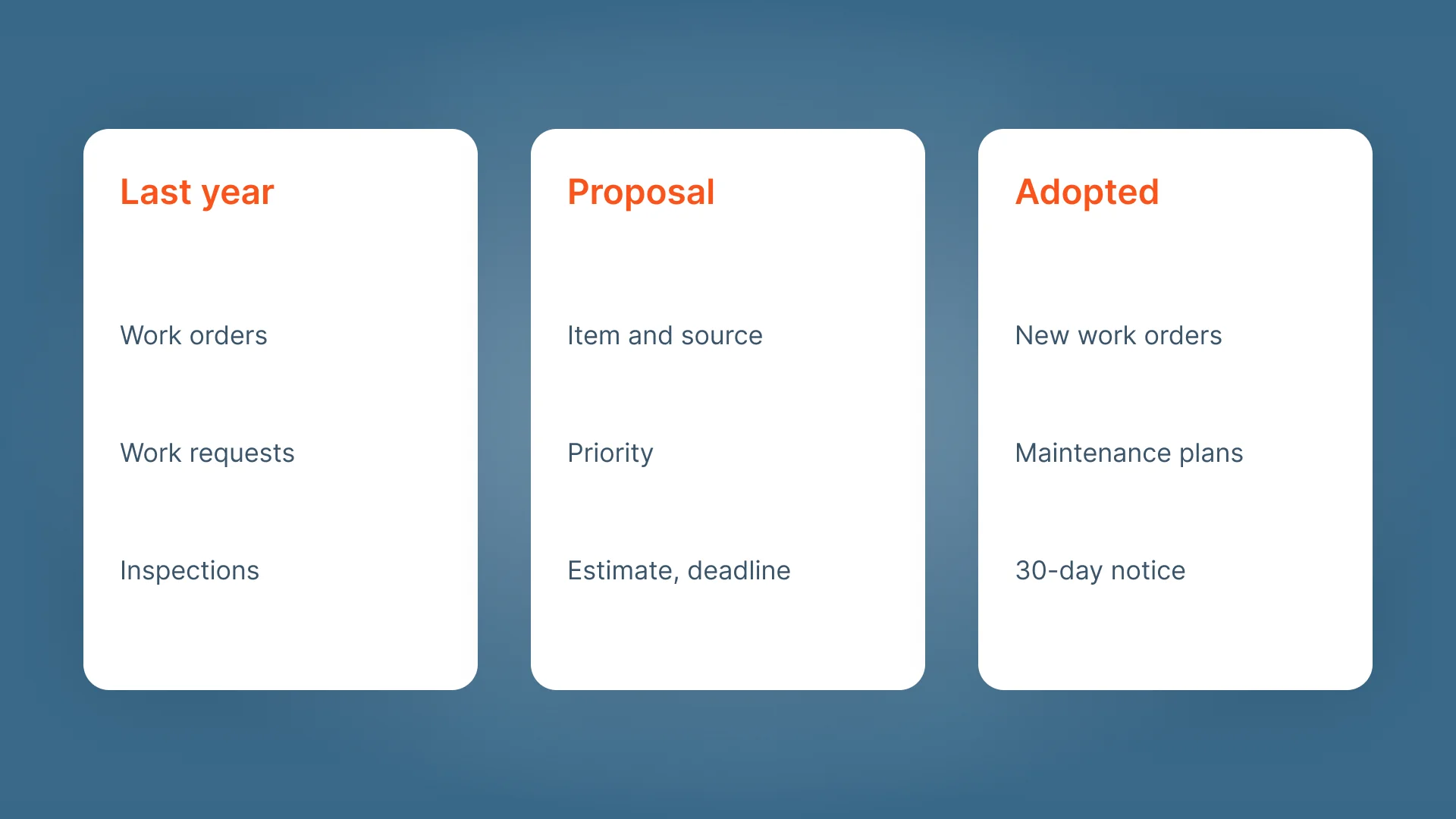
Deliver the proposal to the co-owners' representative in writing and keep a dated confirmation. Once the co-owners adopt the programme, each item becomes a work order or a preventive maintenance plan with a deadline and an owner, so everyone knows during the year what is done, and the 30-day notice about completed works comes straight from the closed work order.
A work order for one programme item looks like this:
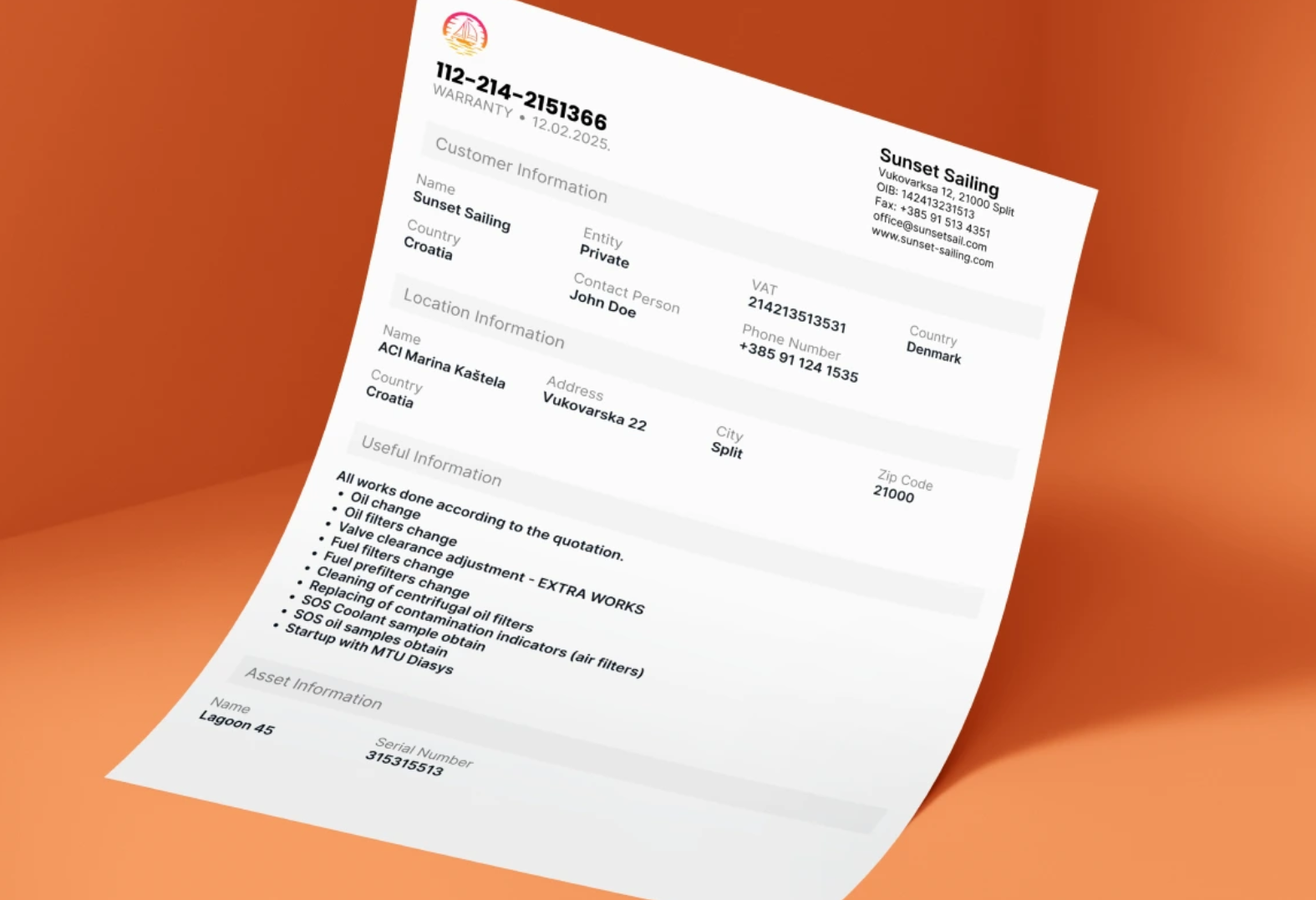
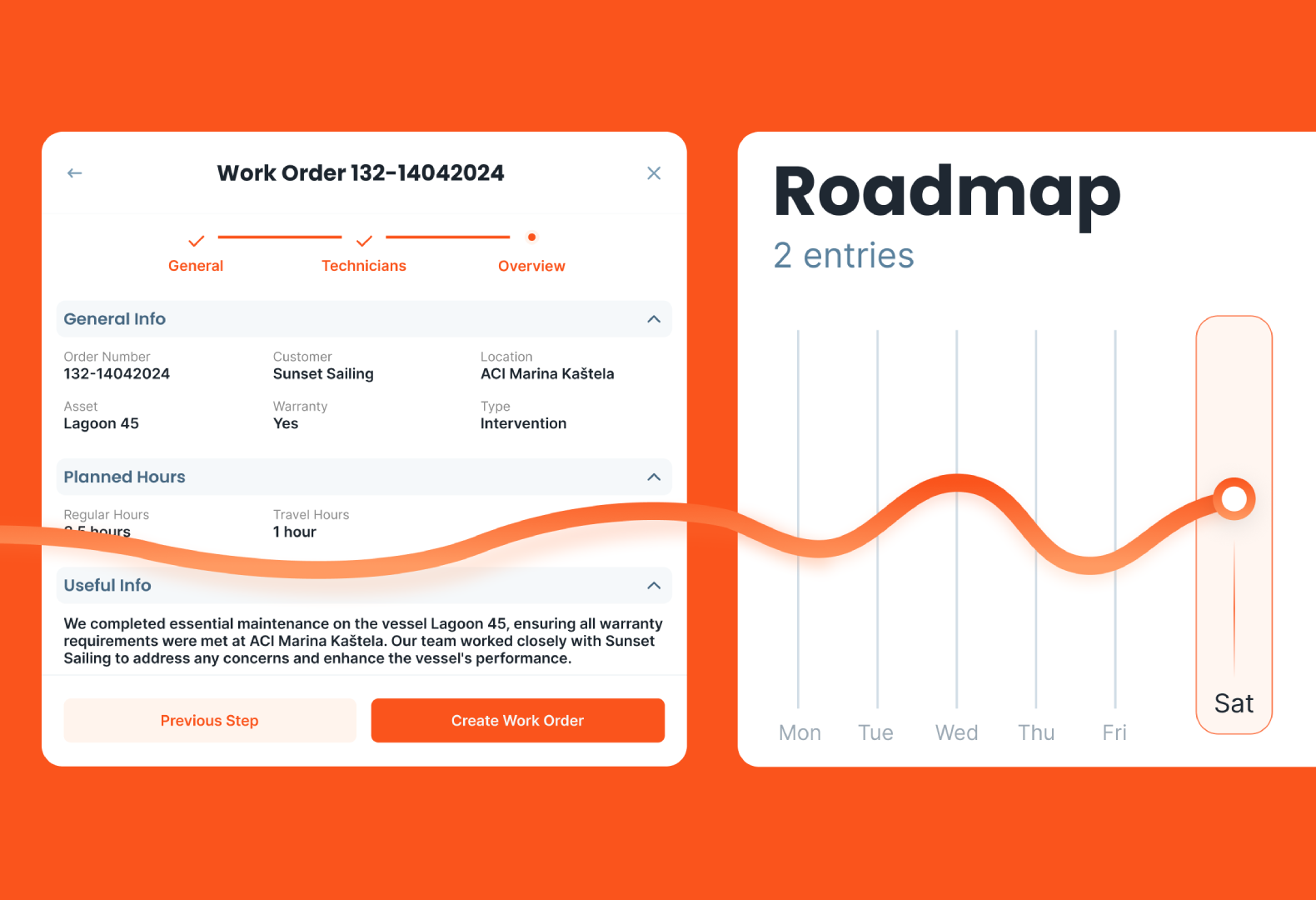
Work order: Maintenance programme, building on X Street, boiler room valve replacement Source: annual programme item, linked to last year's work order for the temporary repair Deadline: March, outside the coldest part of the heating season Owner: technical maintenance lead, carried out by an outside servicer Scope: replace the valve, check the pressure, test run Closing: photos before and after, service report attached, date for the co-owner notice recorded
A blank form is available in the free work order template, a form for co-owner reports in the free work request template, and a list of recurring checks in the free preventive maintenance checklist. The general process of building an annual plan for maintenance teams is in the post Annual maintenance plan.
How it works in Serwizz
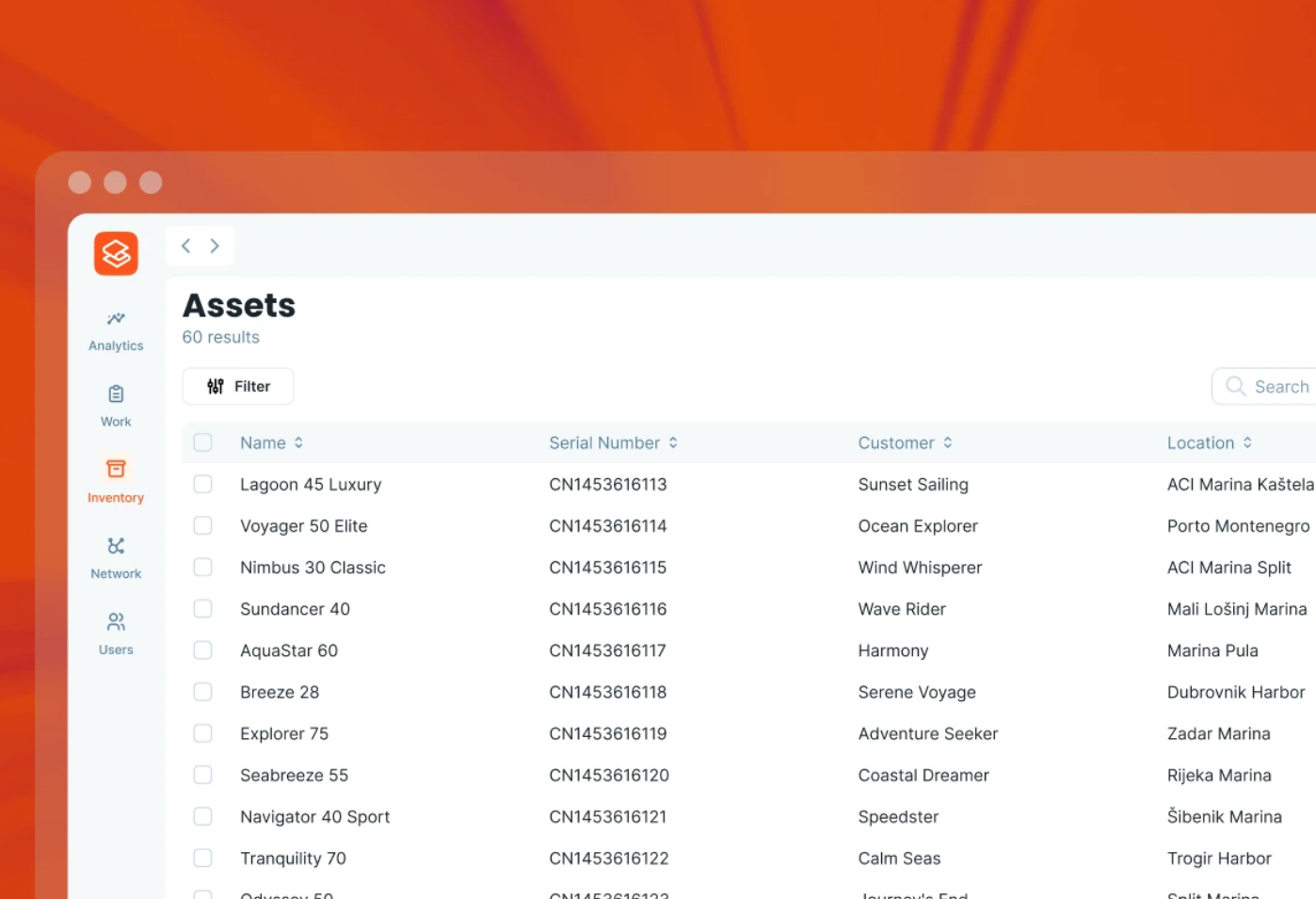
Serwizz is a CMMS where a building manager or service company runs each building as its own location with its equipment, so the data for the programme proposal builds up during the whole year, not in November.
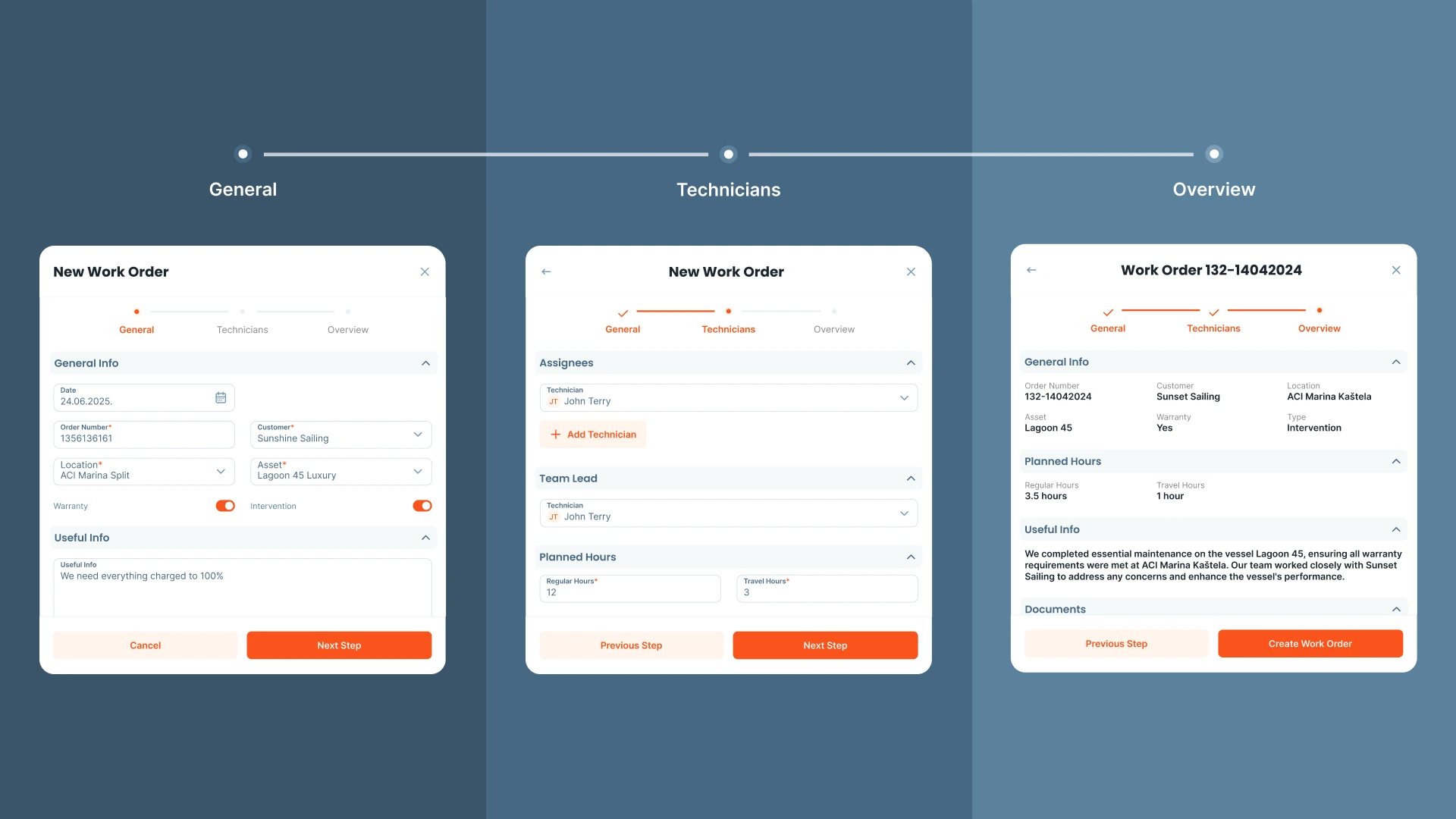
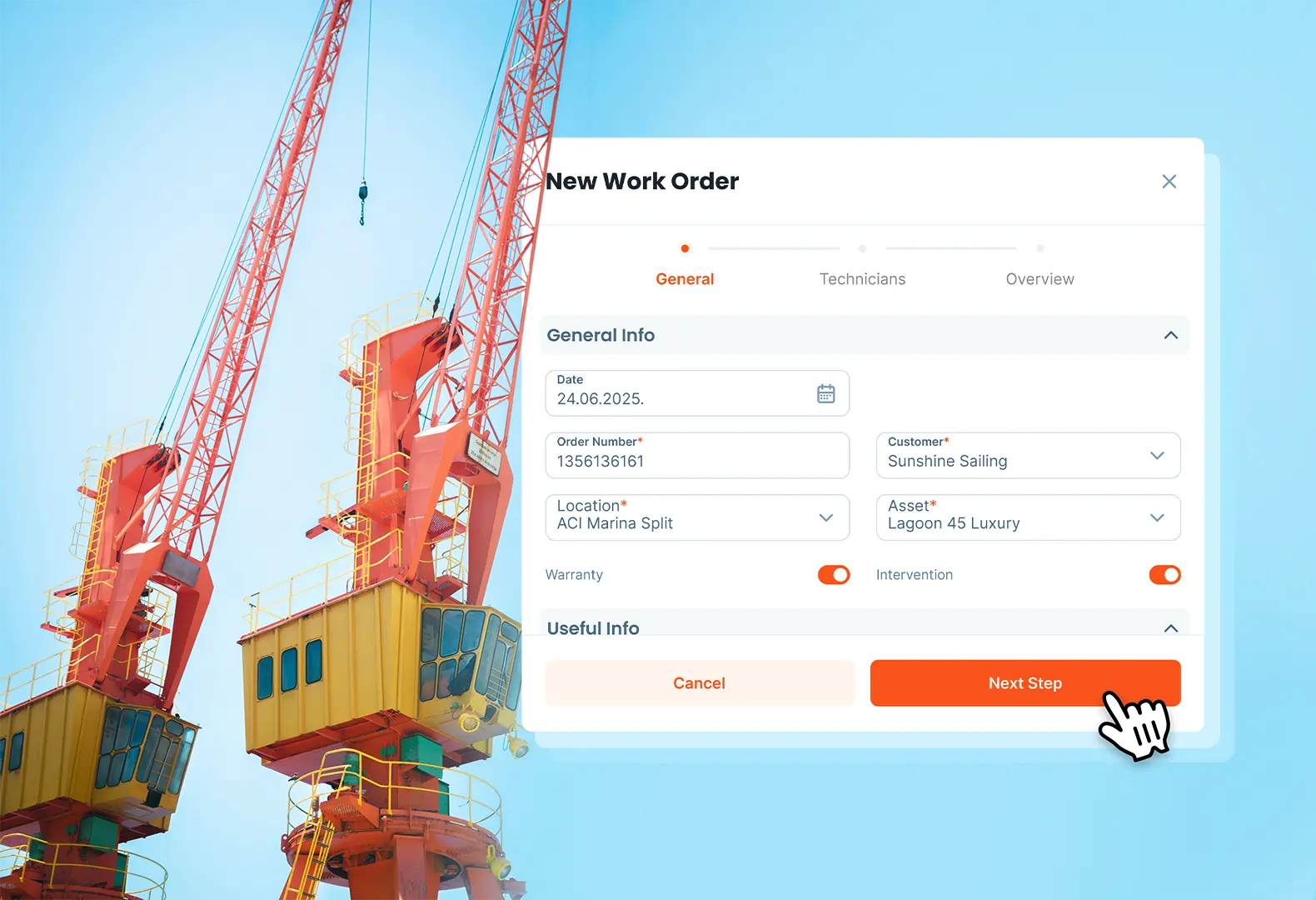
- Co-owner reports arrive as work requests with a description and a photo, and the lead turns a request into a work order in one step.
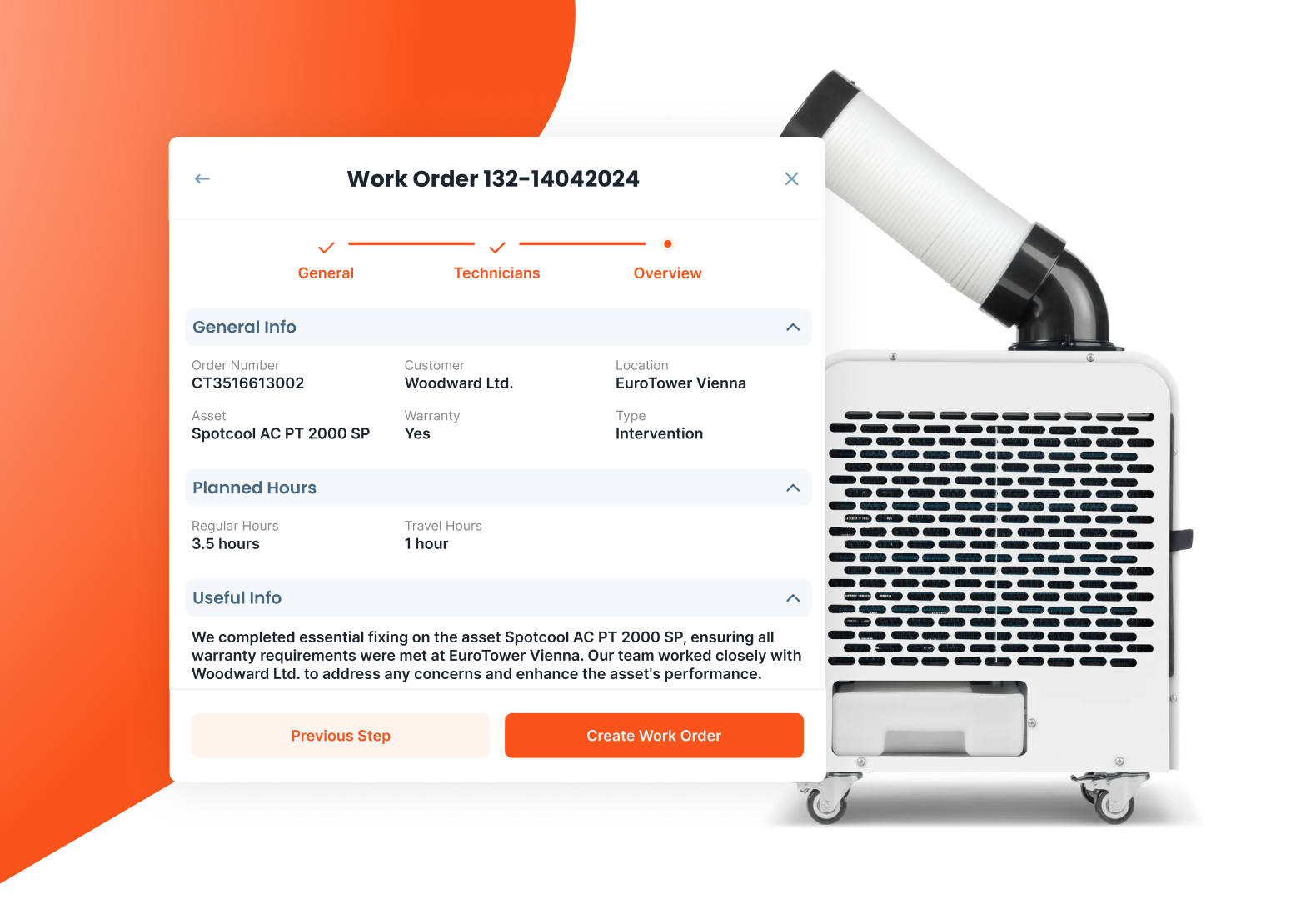
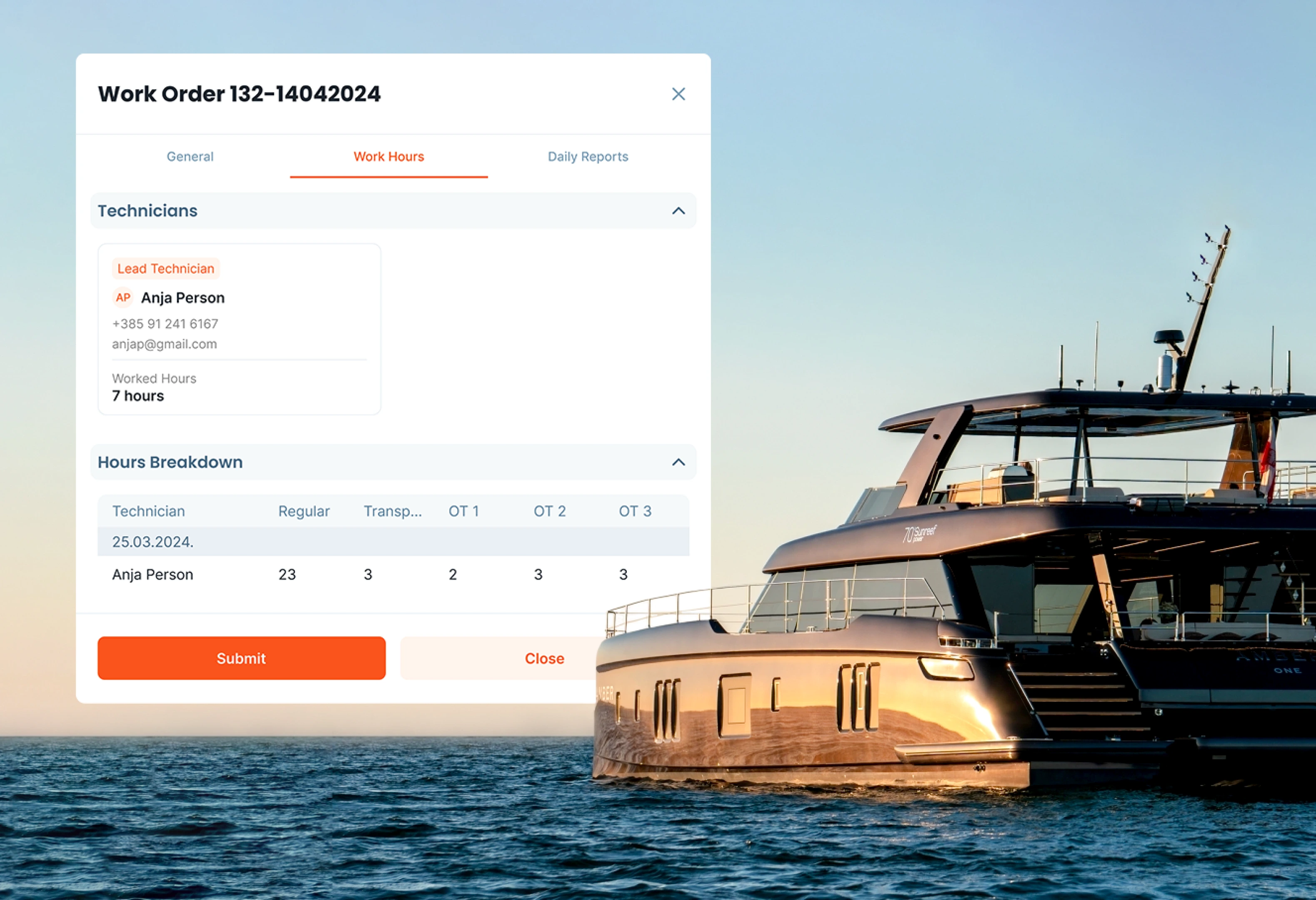
- Work orders in work order management carry the building, the part of the building, the technician, the deadline and the photos, so in November you see per building what kept coming back.
- Recurring services, such as the boiler room or fire safety equipment, run as preventive maintenance plans, and building walk-rounds as maintenance checklists the technician fills in on the phone.
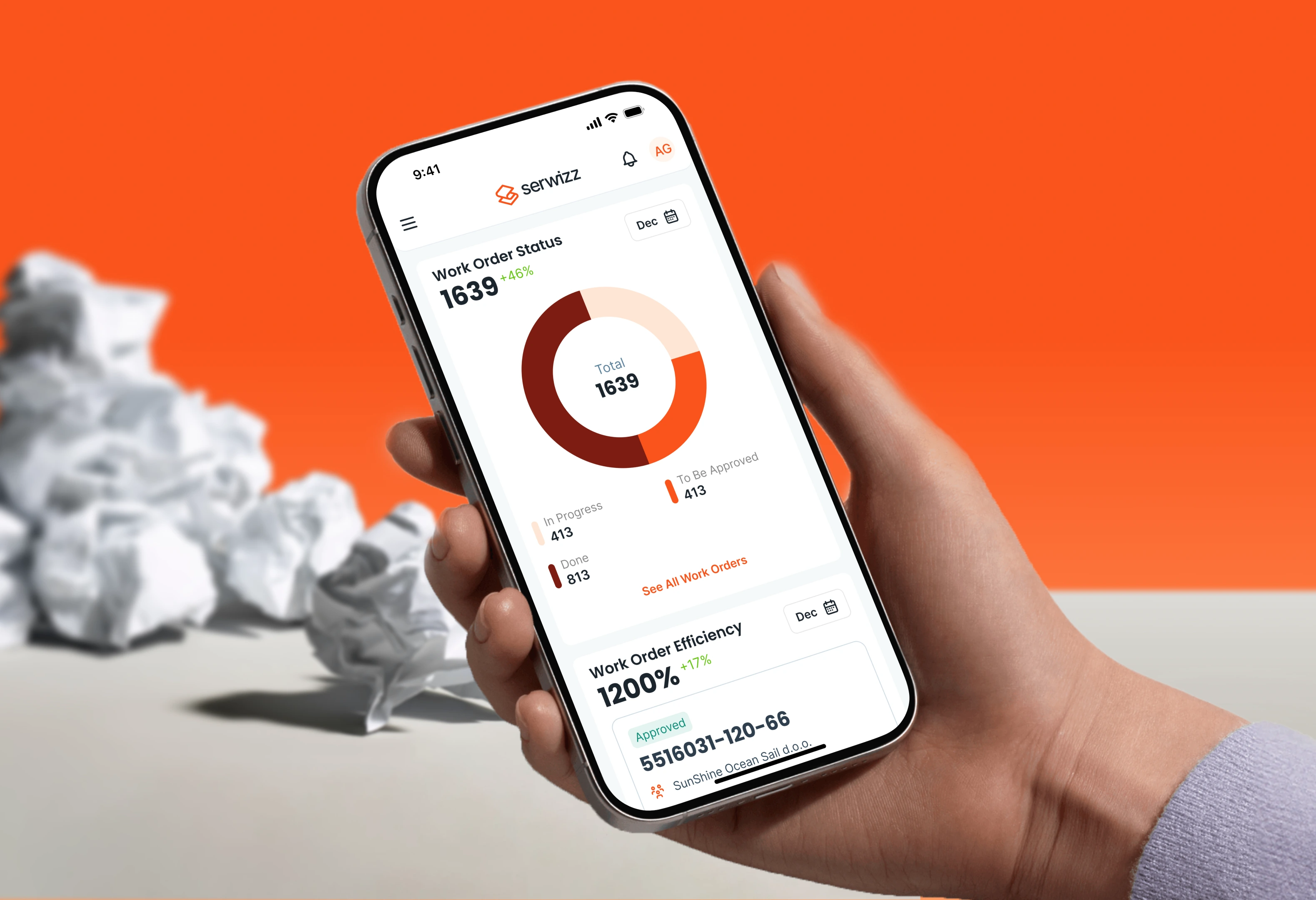
- Views by building and period come from data systematization and analytics support, so the list for Step 1 is not assembled by hand.
Serwizz does not calculate the reserve fund and does not replace the programme document the manager delivers to the co-owners' representative. It supplies the data for the document and turns adopted items into work orders with deadlines. The app is a PWA, so technicians open it in the phone browser with no app store install. Read more about how building managers and facility service companies use it on the page for facility providers and on the facility industry page.
A proposal by 15 November, data all year round
An annual programme proposal which points to last year's work orders and requests gets through the co-owners more easily, protects the manager with a written record and cuts the number of emergency call-outs next year. If you are putting this year's programme together by hand, use the template from this post, and start recording every job in one place for next year.
To see how buildings, work requests and work orders run in one system, request your Serwizz CMMS demo. You are also welcome to try Serwizz for free.